Starter kit
New Driver Starter Kit: The Complete Cab-Comfort Setup
Starting out as a company driver or owner-operator? Two upgrades do more for daily comfort than anything else in the cab: a seat cushion that keeps you cool through 8–11 hour sits, and a 12V cooler that keeps real food cold — one that pays for itself against truck-stop meal prices. This kit pairs our top-rated cushion with our budget cooler pick for about $295 CAD, plus the wiring guidance to run both safely off your 12V outlets.
Research-based. We did not test these hands-on. Scores come from published specs and driver reviews. This guide contains affiliate links to Amazon.ca. As an Amazon Associate I earn from qualifying purchases. Prices are approximate, in CAD, and change often — check the live listing before you buy.
Updated September 2026
Key Takeaways
- Cushion for your back, cooler for your wallet, fused splitter for your truck. That’s the whole kit — everything else in the cab is a nice-to-have.
- About $295 CAD pairs the top-rated cushion with the budget cooler pick, at street prices recorded in September 2026.
- One high-draw device per 12V socket. Never run a big inverter off the same outlet as the cooler.
- Read recent reviews first. Amazon currently marks the BougeRV 23 Quart as a frequently returned item.
Quick Picks
The checklist
The Kit, in Four Groups
Seat
- The ComfiLife Gel Enhanced cushion — the kit’s seat pick, detailed below.
- Seat height set so your hips sit slightly above your knees.
- Backrest near 100–110 degrees, lumbar support against your lower back.
- Full setup: seat comfort guide and posture guide.
Power
- A fused 12V splitter — what a safe one looks like is below.
- One high-draw device per socket. Never run a big inverter off the same outlet as the cooler.
- Tally your draw first: a compressor cooler pulls roughly 45–60 W, plus chargers and dash cam.
- The full rundown: 12V field guide and 12V outlet safety: what you can run.
Food
- The BougeRV 23 Quart 12V cooler — the kit’s food pick, detailed below.
- An ice chest as backup for dock waits and power-off nights.
- Sealed containers, water bottles, and dry snacks for long legs between stops.
- The budget math: cooler vs truck-stop ice.
Winter
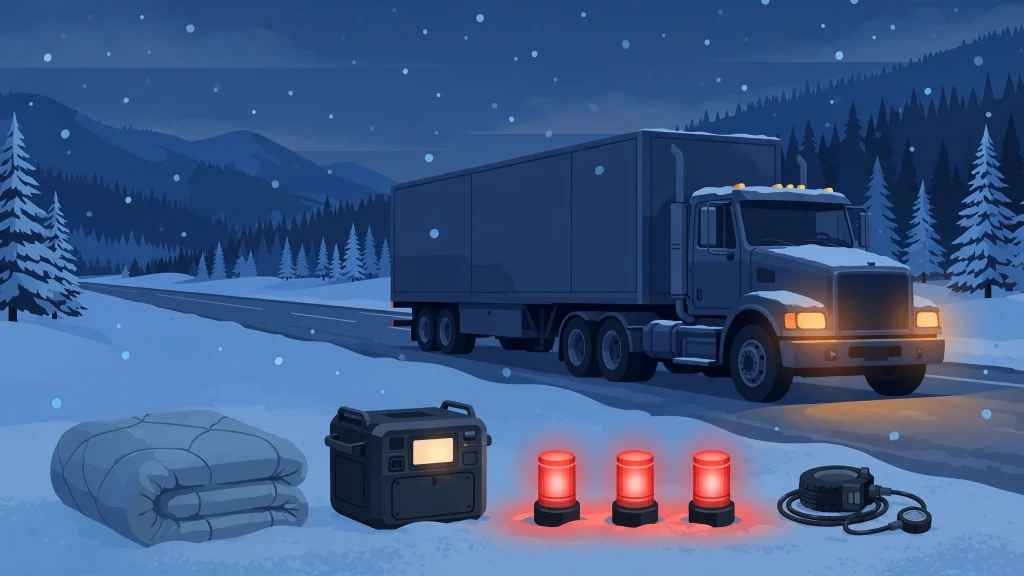
- Warm layers, a proper winter coat, and gloves that still let you work.
- Winter-rated washer fluid in the reservoir before the first frost.
- A real blanket or sleeping bag in the sleeper — not just the bunk heater.
- Full prep list: winter cab comfort checklist.
The picks
The Kit Picks, in Detail
Best cooling
ComfiLife Gel Enhanced seat cushion
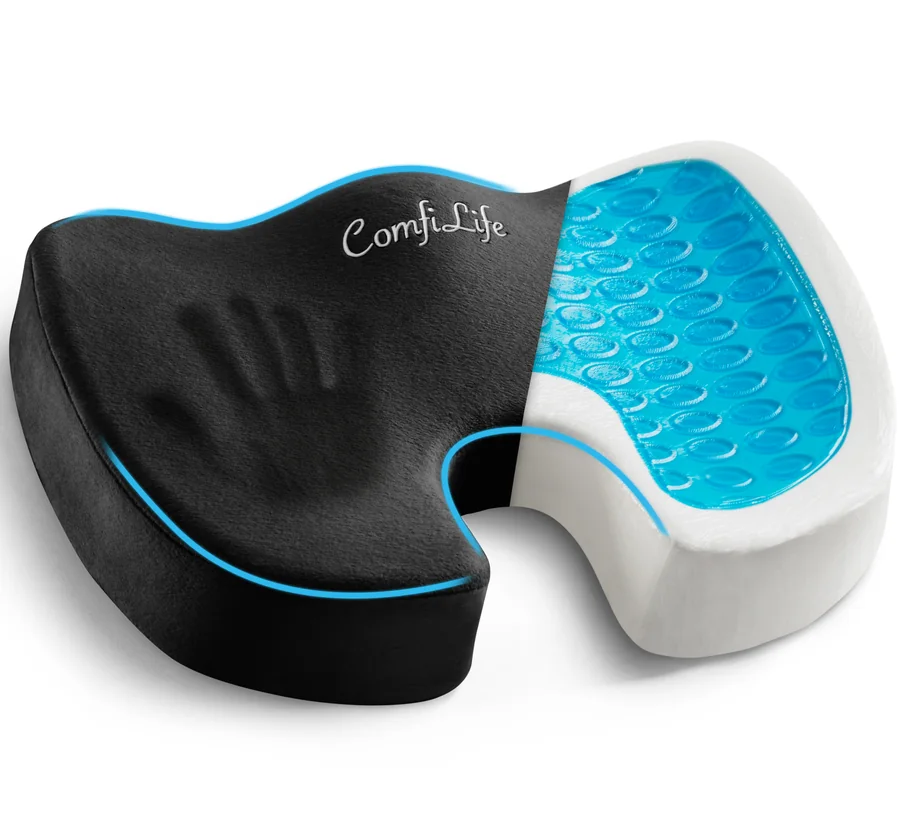
The top-rated cushion in our seat cushion guide: a gel layer that keeps you cool through long, hot sits instead of trapping heat like plain memory foam. The single biggest comfort upgrade for a new driver’s first month.
Pros
- Cooling: the gel layer stays cool through long, hot sits instead of trapping heat like plain memory foam.
- Top-rated: the top-rated cushion in the site’s seat cushion guide.
- Price: about $60–65 CAD — the most affordable upgrade in the kit.
Cons
- Setup still matters: seat height, backrest angle and lumbar position still make or break comfort — a cushion doesn’t replace proper setup.
- Cooling focus: the gel layer helps with heat, not with seat depth or lumbar support — those still need proper setup.
Food
Cold Food Beats Truck-Stop Prices
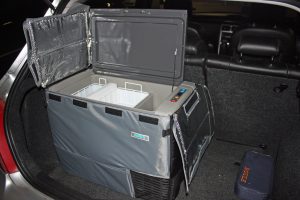
A cooler turns groceries into meals and truck-stop lunches into the exception. The 23-quart compressor pick below holds a few days of food without eating your cab space — and the budget math is in our cooler vs truck-stop ice breakdown.
BougeRV 23 Quart 12V cooler
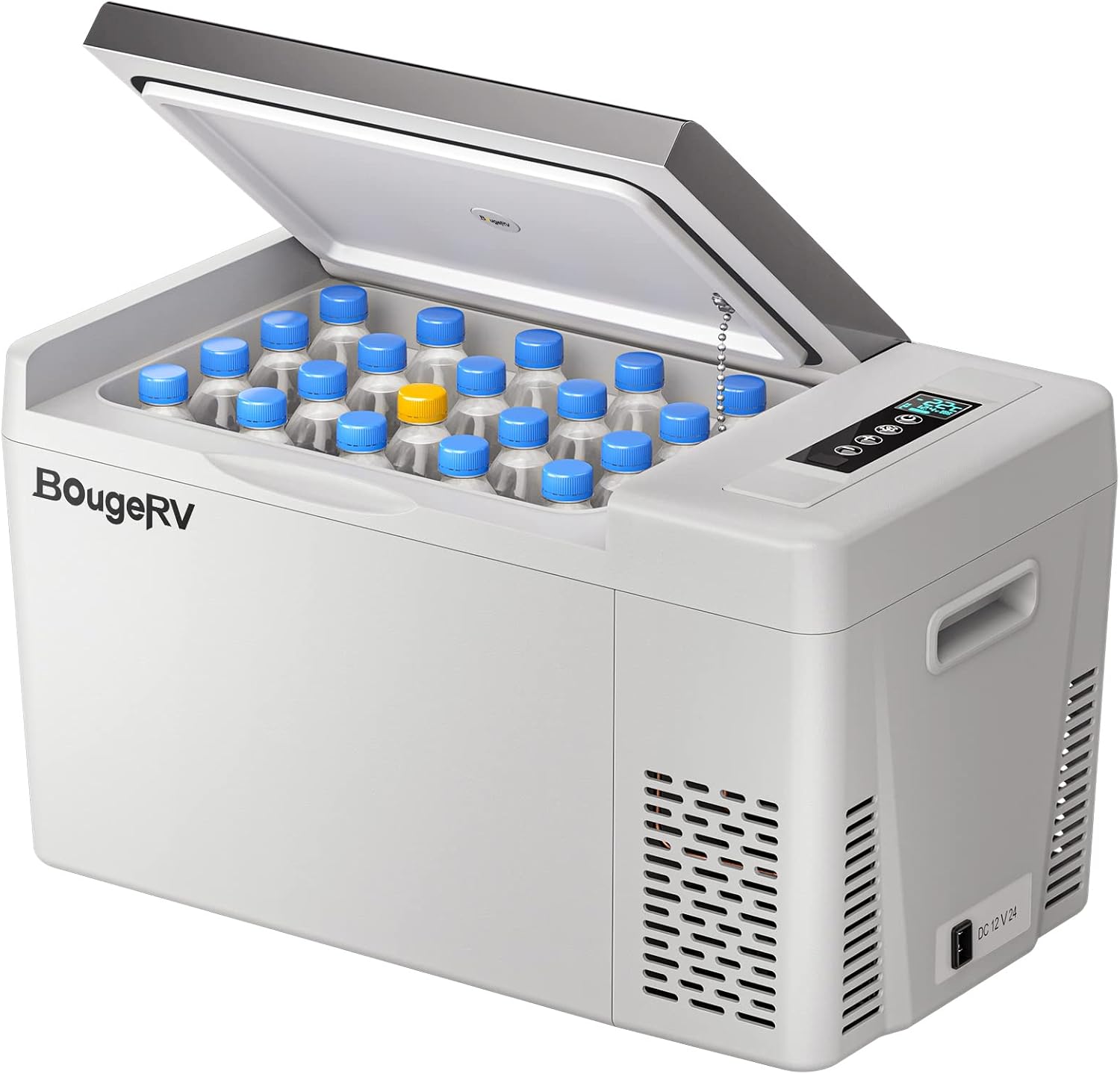
Our budget pick in the 12V cooler guide: a true compressor fridge — real refrigeration down to freezer temperatures, not a thermoelectric box that quits in July heat — for roughly the price of two weeks of truck-stop lunches. The 23-quart size fits a few days of groceries without eating your cab space.
One honest flag: Amazon currently marks this listing as a frequently returned item. Read recent reviews before buying.
Pros
- True compressor: real refrigeration down to freezer temperatures — not a thermoelectric box that quits in July heat.
- Size: 23 quarts fits a few days of groceries without eating cab space.
- Payback: about $230 CAD — roughly the price of two weeks of truck-stop lunches.
Cons
- Frequently returned: Amazon currently marks this listing as a frequently returned item — read recent reviews before buying.
- Budget score: 16/20 — premium compressor coolers score higher if you can wait and save.
First-aid kit — the commercial requirement
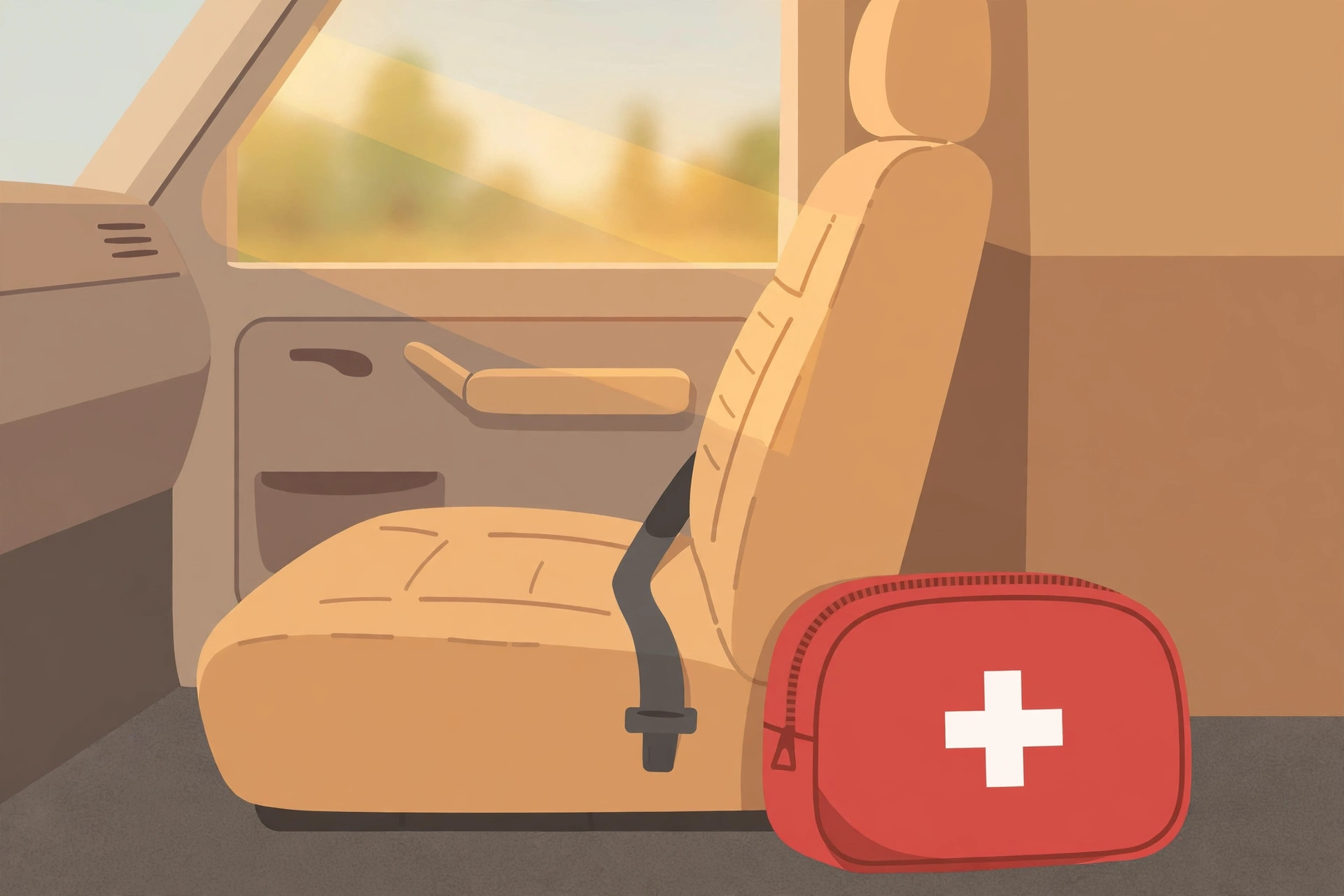
Most carriers require a stocked first-aid kit in the cab, and roadside inspections do check. A compact vehicle kit lives behind the seat and covers the basics until proper help arrives.
Pros
- Required: most carriers require a stocked kit, and roadside inspections do check.
- Compact: a compact vehicle kit lives behind the seat, out of the way.
- Basics covered: covers the basics until proper help arrives.
Cons
- No scored pick: this guide doesn’t recommend a specific kit — the link is a search, not a verified review.
- Basics only: it covers the basics until proper help arrives — not a substitute for professional help.
Dometic CFX5 35 — when you’re ready for the best
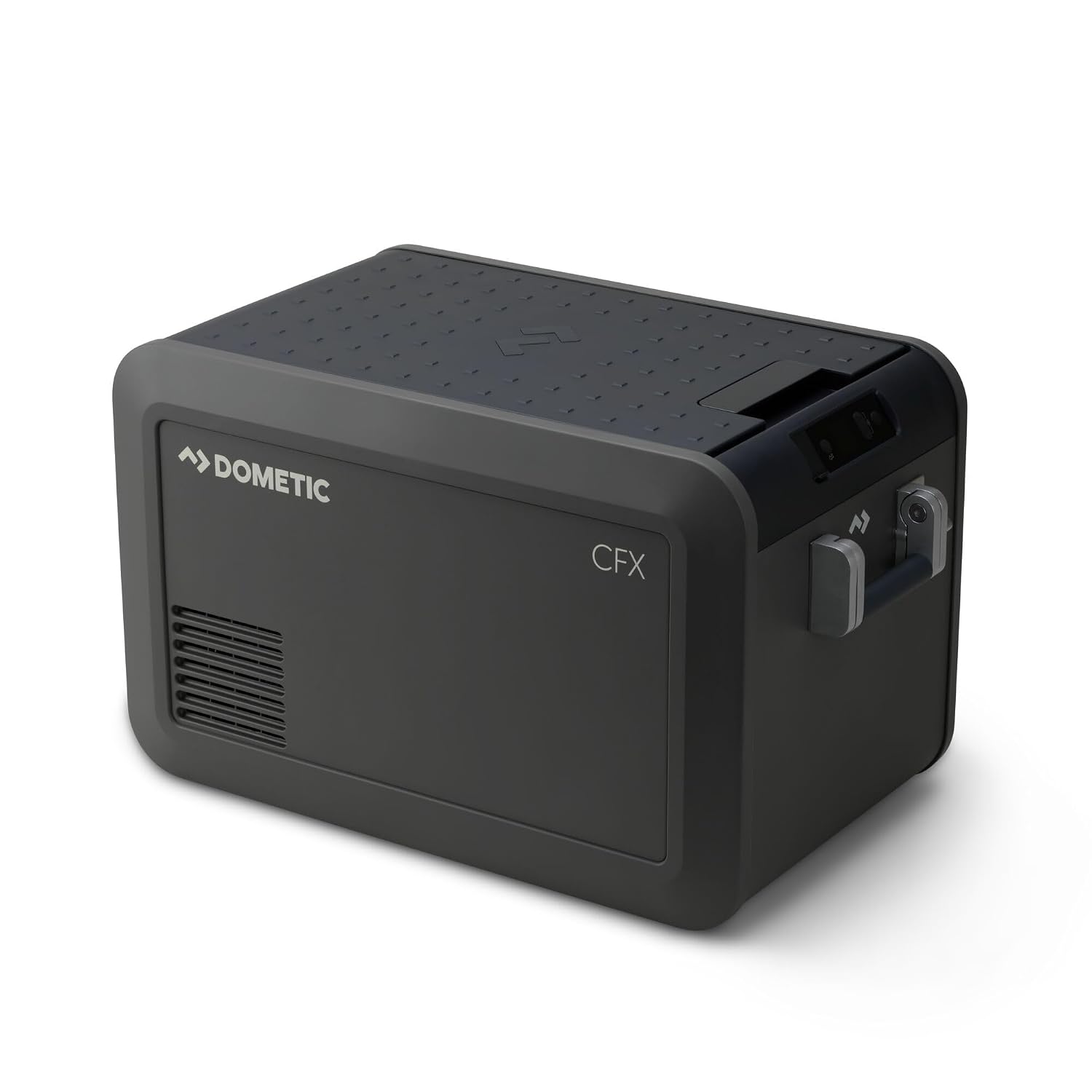
The highest-scoring cooler we list (18/20): vacuum-insulated panels, temperatures from 10°C down to −22°C, and a 5-year warranty. At ~$1,307 CAD it’s a buy-it-for-a-decade purchase — the one to graduate to once the job is paying for itself. Compare all four in the full cooler guide.
Pros
- Top score: 18/20 — the highest-scoring cooler listed.
- Freezer range: vacuum-insulated panels, holding from 10°C down to −22°C.
- Warranty: a 5-year warranty backs it up.
Cons
- Price: about $1,307 CAD — a buy-it-for-a-decade price tag, overkill for a new driver’s first month.
- Graduation pick: this guide says to graduate to it once the job is paying for itself — not day-one kit.
The forgotten trio
Storage, Privacy & Phone Mount
Seat, power, food, and winter get all the attention in starter-kit lists. The three things new drivers actually complain about in week two are different: nowhere to put anything, no darkness to sleep in, and a phone sliding off the dash. They cost little and fix daily annoyances — which is exactly what a starter kit should do.
Storage: give everything a home. A cab is a small room you live in, so organization is safety as well as sanity. Under-bunk bins for clothes and tools, packing cubes for the bag, and a seat-back organizer for the things you reach for daily. The rule: nothing loose on the dash or the bunk that becomes a projectile in a hard brake. A tidy cab also means you can find the flashlight at 3 a.m. without waking the lot.
Privacy: curtains beat willpower. Daytime sleep is the norm in trucking, and truck-stop lots are floodlit. Sleeper curtains — or at minimum a windshield curtain or fitted sunshade — turn the cab dark enough to sleep at noon. They double as security: gear out of sight is gear nobody breaks a window for. Factory sleeper curtains exist on many trucks; if yours are missing or threadbare, replacements are cheap and worth every cent.
Phone mount: hands-free is the law. Every province and territory bans hand-held phone use while driving, and the fines are steep. A solid dash or windshield mount keeps the phone at eye level for navigation and logs without taking your hands off the wheel — and it has to survive frost-heaved highways, so suction quality matters. Pair it with a proper Bluetooth headset for truck drivers and your cab is genuinely hands-free.
Power
Powering Both: What to Look for in a 12V Splitter
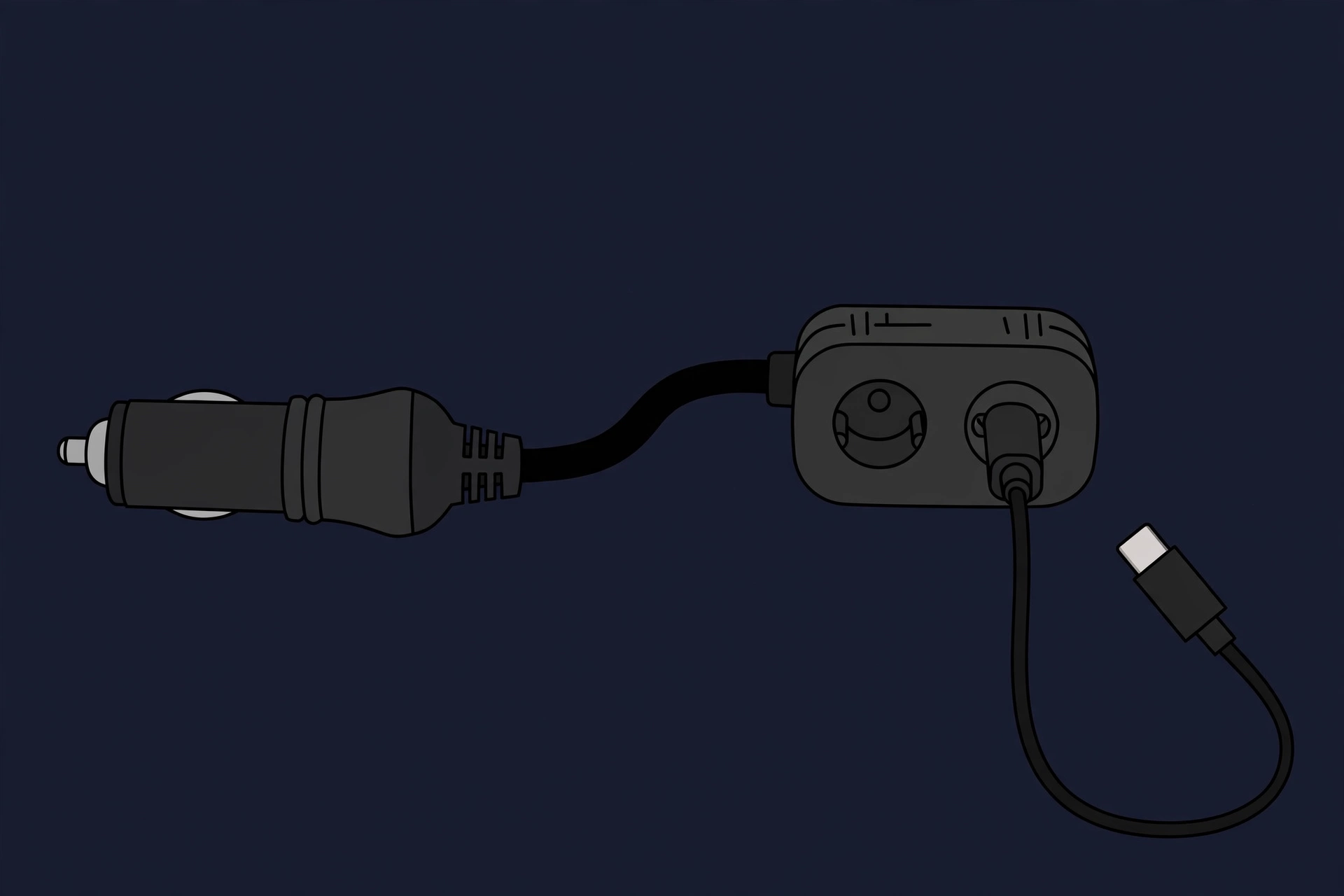
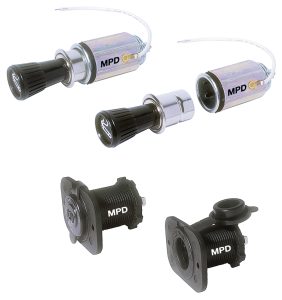
We don’t recommend a specific splitter — we haven’t verified one — but here’s what a safe one looks like, so you don’t learn the hard way:
- Fused, always. An unfused splitter is a fire risk. The fuse protects your truck’s wiring, not just your gear.
- Rated well above your combined draw. A compressor cooler pulls roughly 45–60 W (about 5 A at 12V). Add your phone chargers and dash cam, then pick a splitter rated comfortably above that total.
- Heavy-gauge cable. Thin cable on a long run drops voltage and heats up. Short and thick beats long and thin.
- Individual on/off switches so you can kill what you’re not using without unplugging.
- Never run the cooler and a big inverter off the same socket. One high-draw device per outlet.
The full picture: 12V field guide and 12V outlet safety: what you can run.
| Pick | Product | Price | Score | |
|---|---|---|---|---|
| Top pick | ComfiLife Gel Enhanced seat cushion | About C$60–65 | 15/20 | Check availability on Amazon.ca |
| Budget cooler | BougeRV 23 Quart 12V cooler | About C$230 | 16/20 | See the current Amazon.ca price |
| Safety | First-aid kit (commercial requirement) | — | — | Check price on Amazon.ca |
| Best premium | Dometic CFX5 35 | About C$1,307 | 18/20 | View the Amazon.ca listing |
Scores are provisional — based on published specs and buyer reviews, not hands-on testing.
How This Guide Was Made
Research-based. We did not test these hands-on. Scores come from published specs and driver reviews.
Prices were approximate at research time — the Amazon links show the current price.
Questions
Starter Kit Questions
What does the $295 starter kit actually include?
The kit pairs the ComfiLife Gel Enhanced seat cushion (about $60–65 CAD) with the BougeRV 23 Quart 12V cooler (about $230 CAD), at street prices recorded in September 2026 — plus guidance on a fused 12V splitter to run both safely. The $295 is an estimate; prices change often, so check the live listings before you buy.
Can I run a cooler and my chargers off one 12V outlet?
Yes, with a fused splitter — but keep to one high-draw device per socket. A compressor cooler pulls roughly 45–60 W (about 5 A), so tally your draw including phone chargers and dash cam before plugging in. Never run a big inverter off the same outlet as the cooler.
What should I look for in a 12V splitter?
Four things: a fuse (an unfused splitter is a fire risk), a rating comfortably above your combined draw, heavy-gauge cable on a short run, and individual on/off switches so you can kill what you’re not using. We don’t recommend a specific splitter — this is what a safe one looks like.
Should a new driver buy the Dometic CFX5 35 right away?
It’s the highest-scoring cooler we list at 18/20, with vacuum-insulated panels, a 10°C to −22°C range and a 5-year warranty — but at about $1,307 CAD it’s a buy-it-for-a-decade purchase. This guide says to graduate to it once the job is paying for itself; start with the BougeRV budget pick.
Is a first-aid kit really required in the cab?
Most carriers require a stocked first-aid kit in the cab, and roadside inspections do check. A compact vehicle kit lives behind the seat and covers the basics until proper help arrives. It’s not a scored pick in this kit — it’s a compliance item every new driver should carry.
How quickly does a 12V cooler pay for itself?
The BougeRV 23 Quart costs about $230 CAD — roughly the price of two weeks of truck-stop lunches. A cooler turns groceries into meals and makes truck-stop food the exception instead of the rule. Our cooler vs truck-stop ice breakdown runs the full budget math if you want the numbers.
Do I really need curtains in the sleeper?
If you ever sleep during the day — and you will — yes. Floodlit lots and summer sun make a curtainless cab nearly unsleepable. Even a basic windshield curtain or fitted sunshade makes a real difference, and curtains double as security by hiding your gear.
What is the best way to organize a small cab?
Zones: under-bunk bins for clothes and tools, packing cubes inside your bag, a seat-back organizer for daily-reach items. Keep the dash and bunk clear — loose items become projectiles in a hard brake, and a tidy cab means finding things in the dark without a search party.
Where should I mount my phone in a truck?
At dash height, near your natural line of sight but not blocking the windshield — a sturdy dash or windshield mount with strong suction for rough roads. Hand-held phone use while driving is illegal across Canada, so the mount plus a Bluetooth headset is the compliant setup.
Keep reading