Diesel anti-gel
Treat every tank before the cold hits, not after. Once fuel gels, additives can't save you.
Category hub · Winter Gear
Updated October 20, 2026
Winter doesn't negotiate. A gelled fuel line at −35°C on the Yellowhead isn't an inconvenience — it's a survival situation. This hub is the map of the whole problem: how a parked cab freezes, how to heat it without idling, how to keep fuel flowing and tires gripping, and the gear that makes each answer work. Every guide below is one room of the same house; start with the problem keeping the truck parked, or work the list top to bottom in October and meet January ready.
And every morning, the season writes a new page: While You Were Parked is the daily overnight roundup — closures, chain requirements, and cold across the Canadian corridors, checked before dawn and sourced on every item. Read it with the pre-trip coffee; it is the hub's living front page.
Idling all night is the most expensive blanket ever sold — roughly 3 litres of diesel an hour, all winter, plus the wear. The alternatives each own a layer. Cab heat without idling is the cluster's anchor guide: bunk heater vs APU vs 12V blanket, the fuel math, and the carbon monoxide warning that goes with any combustion heat. Best 12V cab heaters covers the smaller plug-in end of the market. Best 12V heated blankets and best heated seat covers handle personal warmth — the layer that warms the driver, not the air. The winter idling guide runs the idling numbers and the rules around them, and the 12V outlet safety guide sets the circuit limits every heating device has to respect: one high-draw device at a time.
An unheated cab reaches ambient within hours, and everything inside cold-soaks with it. What freezes in a parked cab overnight is the full inventory — bursting cans, silent medication damage, frozen DEF, dead lithium batteries — and the five-minute freeze patrol that prevents it. Fuel is its own front: best diesel anti-gel covers prevention dosed at fill-up versus the rescue bottle after the fact, because wax crystals do not care which was cheaper. Power is the third front: best portable power stations explains how a station carries the blanket, the cooler, and the devices through the night so the starting batteries wake up with exactly one job. And the two mornings after a hard freeze have their own field guides: the cold-start field guide for the truck that will not crank, and frozen air lines for the truck that starts but will not build air.
Winter driving in Canada is a chain-law season with weather attached. Best tire chains for semi trucks in Canada lays out BC's October 1 to April 30 carry requirement, the chain types honestly compared, sizing off the sidewall, and the 15-minute chain-up drill. The winter driving guide is the wider frame — corridors, closures, and when parking early beats chaining late. Tire pressure in cold weather covers the quiet one: pressure falls with temperature, and a tire set in October is underinflated by January unless somebody checks it cold. And when the morning still refuses, jump starters for diesel trucks is the difference between a late start and a service call.
A winter rest is only restful if the driver stays warm through it, heat or no heat. Best winter sleeping bags is the emergency layer rated honestly — the bag is what carries the night the heater quits. Best windshield snow covers buys back the morning: no scraping, less glass heat loss overnight. Heated blankets and seat covers rounds out the sleeper itself. All of it distils into one page: the free Winter Cab Checklist — the freeze patrol, the cold-start sequence, and the layering plan, built for a phone screen at a fuel island. Work it once in October; keep it in the visor all season.
Treat every tank before the cold hits, not after. Once fuel gels, additives can't save you.
A diesel air heater sips fuel and keeps the cab warm without idling. Pays for itself in one winter.
A snow cover saves 20 minutes of scraping every morning. That's real money over a season.
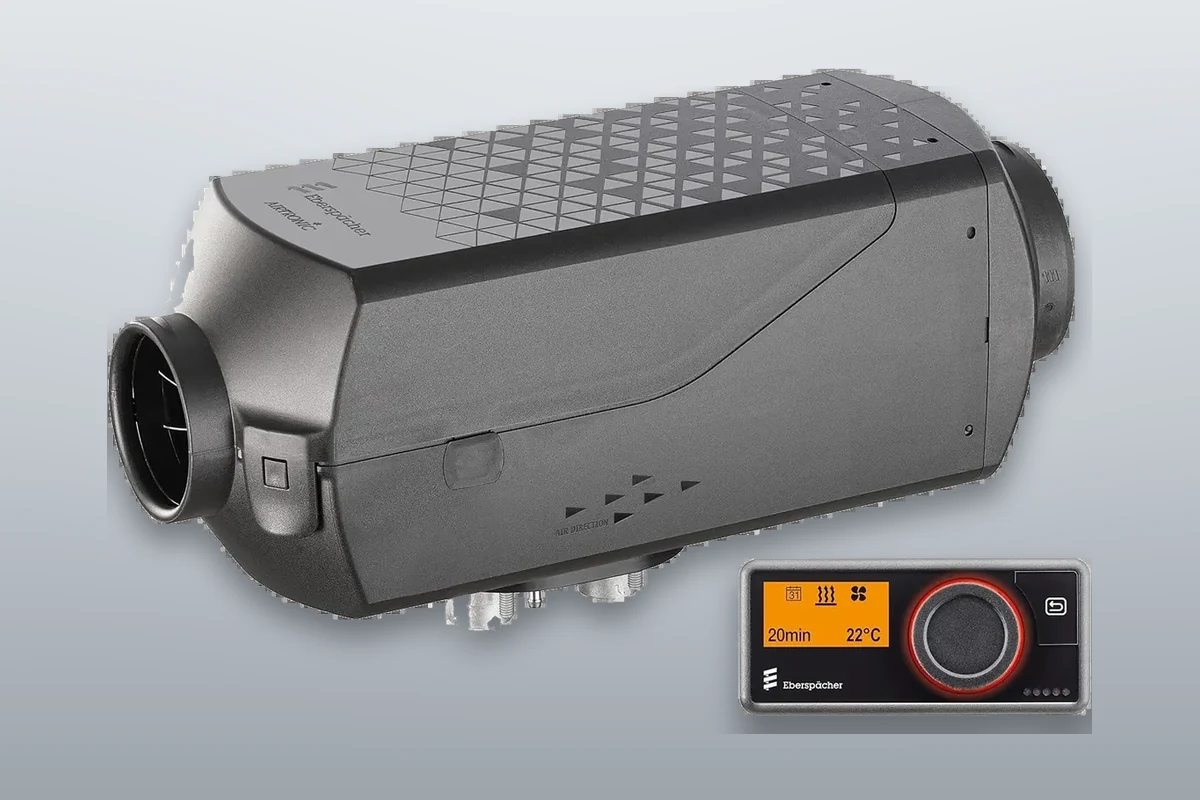
Top-tier pick at 17/20. The one to beat in winter gear.

A windshield cover that actually stays put. Pull it off in the morning, drive.
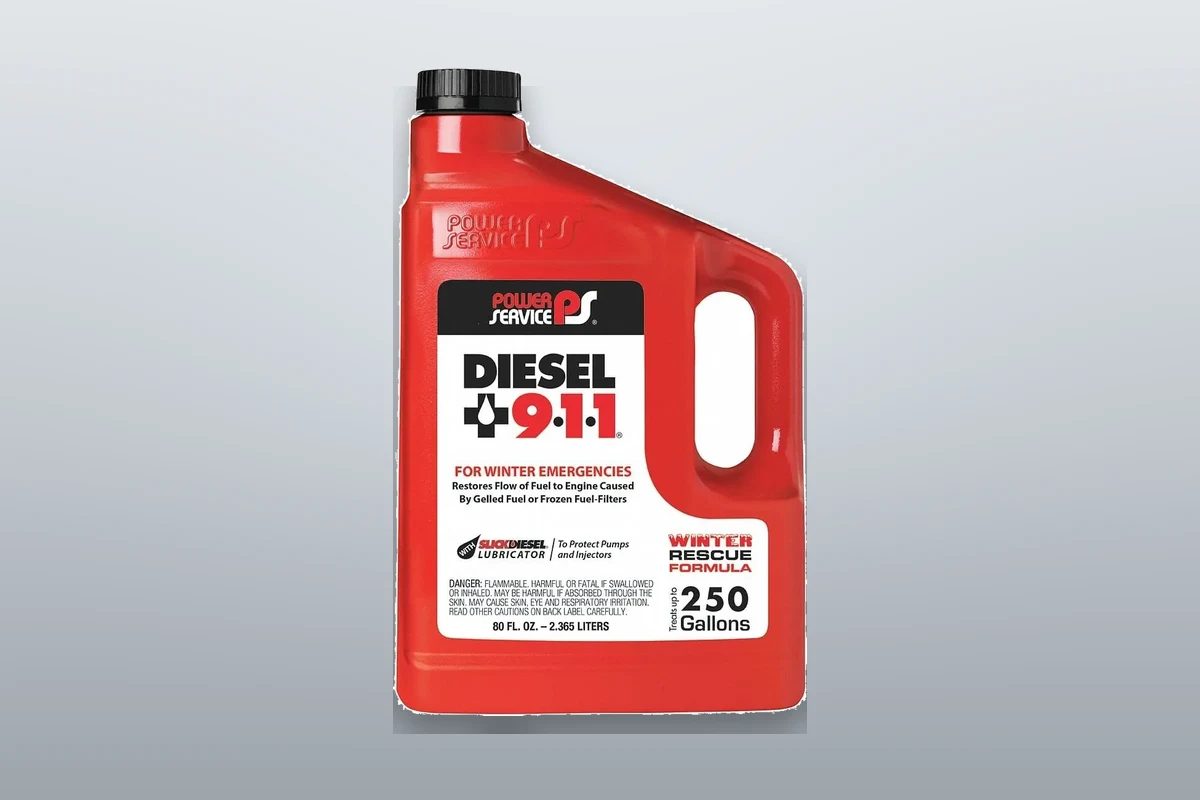
The rescue bottle for gelled fuel. When the preventative didn't happen, this is the call.
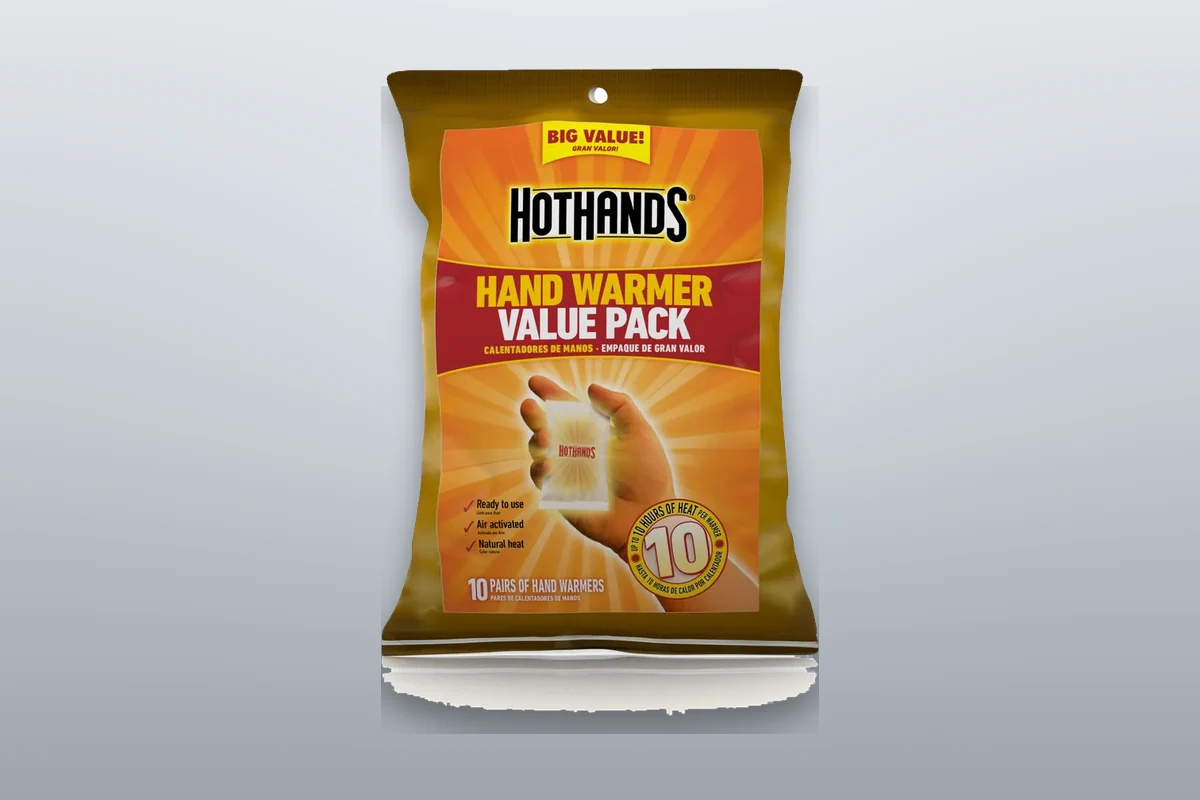
The no-battery backup plan: air-activated warmers good for up to 10 hours a pair. Toss a pair in every coat pocket before winter.
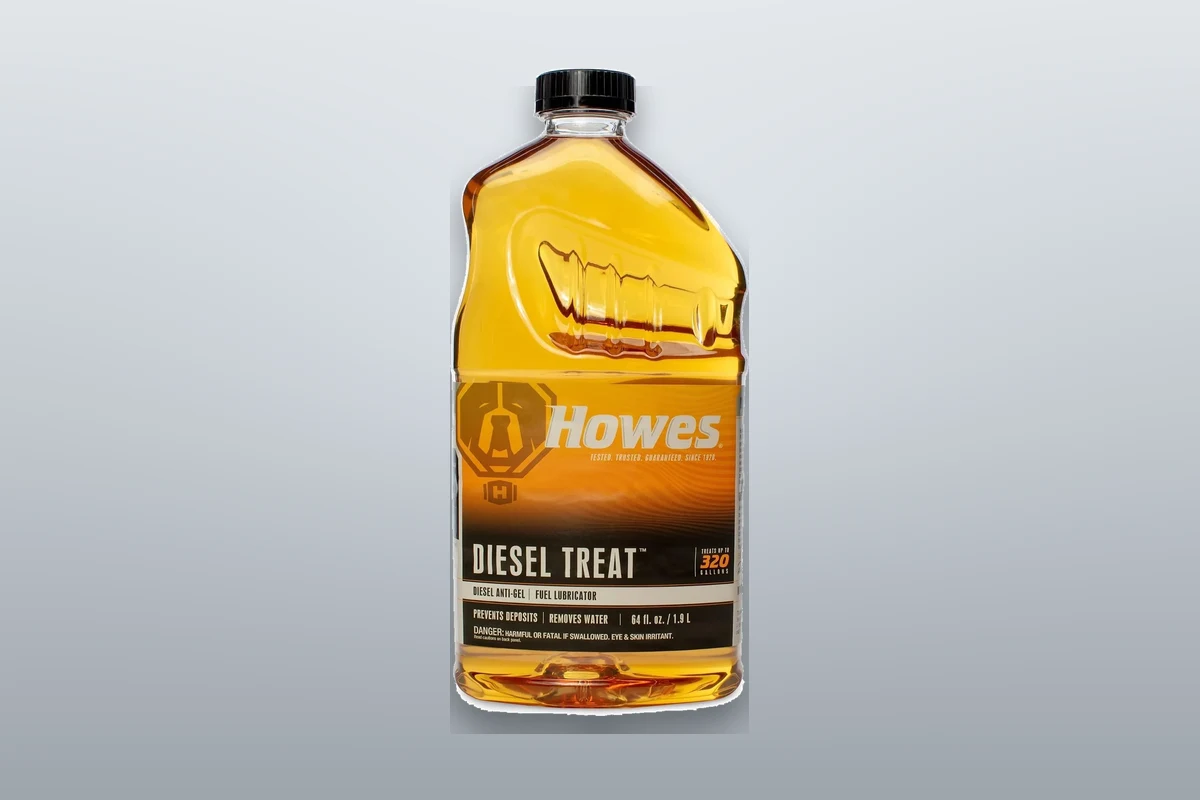
The preventative anti-gel. Dose per fill-up before the cold snap, not after.
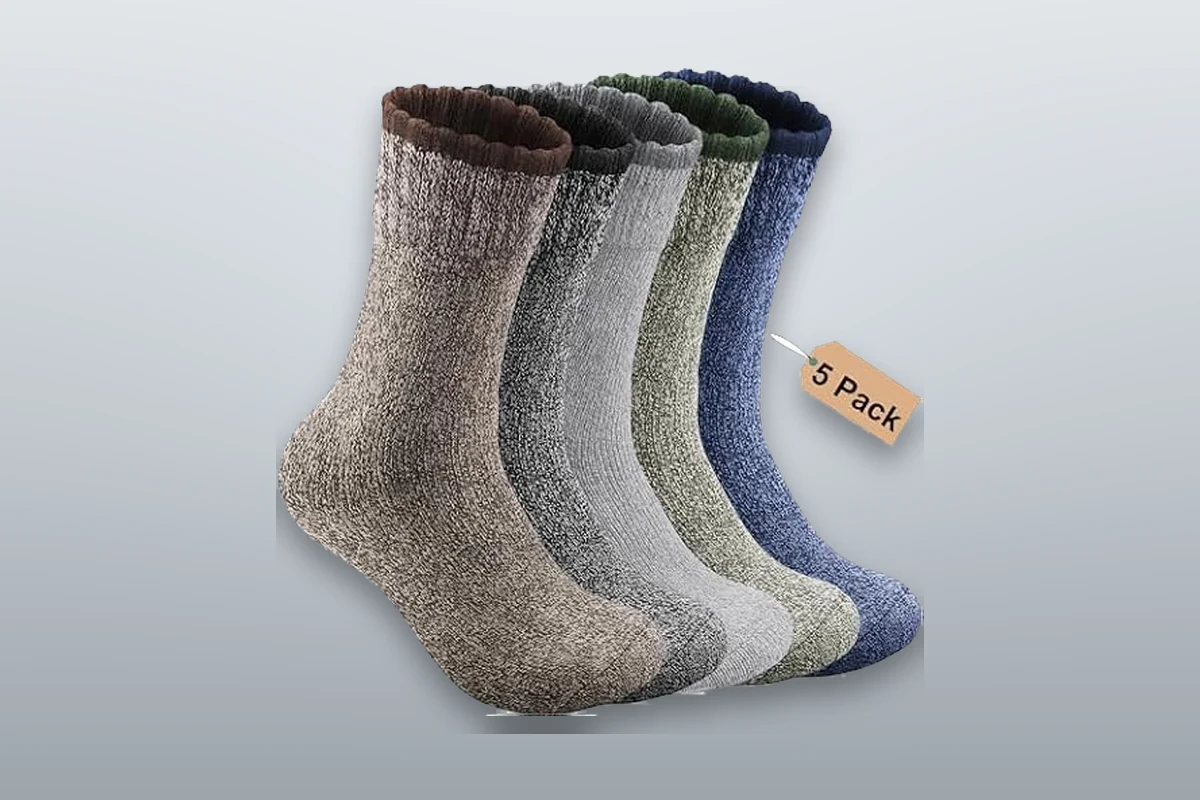
Five pairs of heavyweight merino-blend thermal socks — thick, warm, and cheap enough to keep a spare pair in the cab at all times.
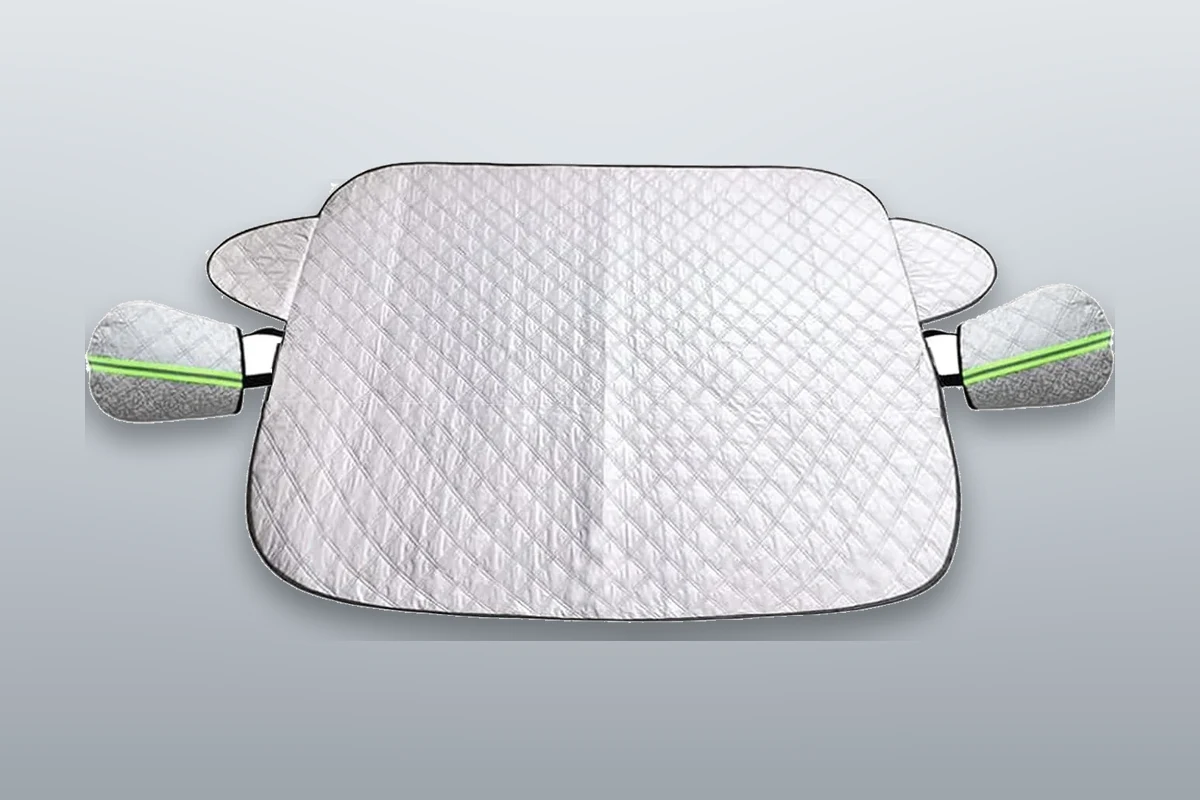
Four layers between the glass and the storm. Heavier cover, better hold in wind.
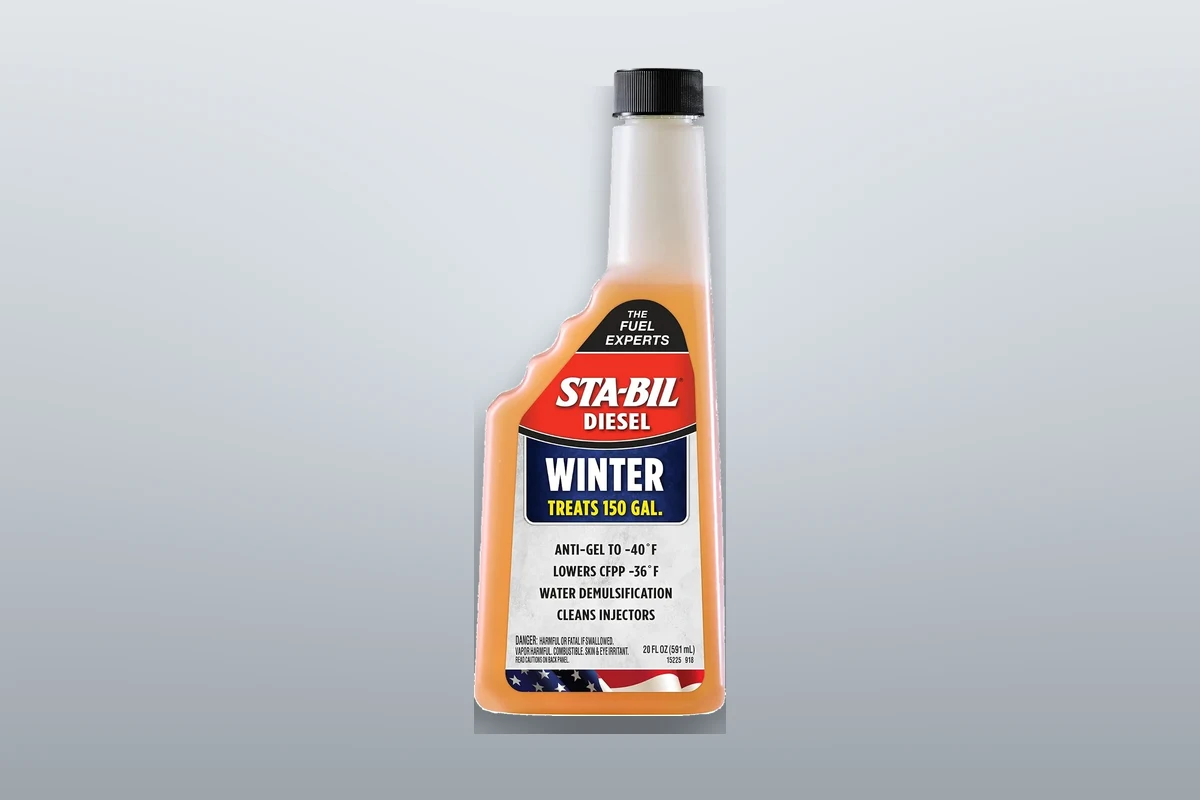
Compact anti-gel for the side box. Prevents gelling; won't rescue gelled fuel.
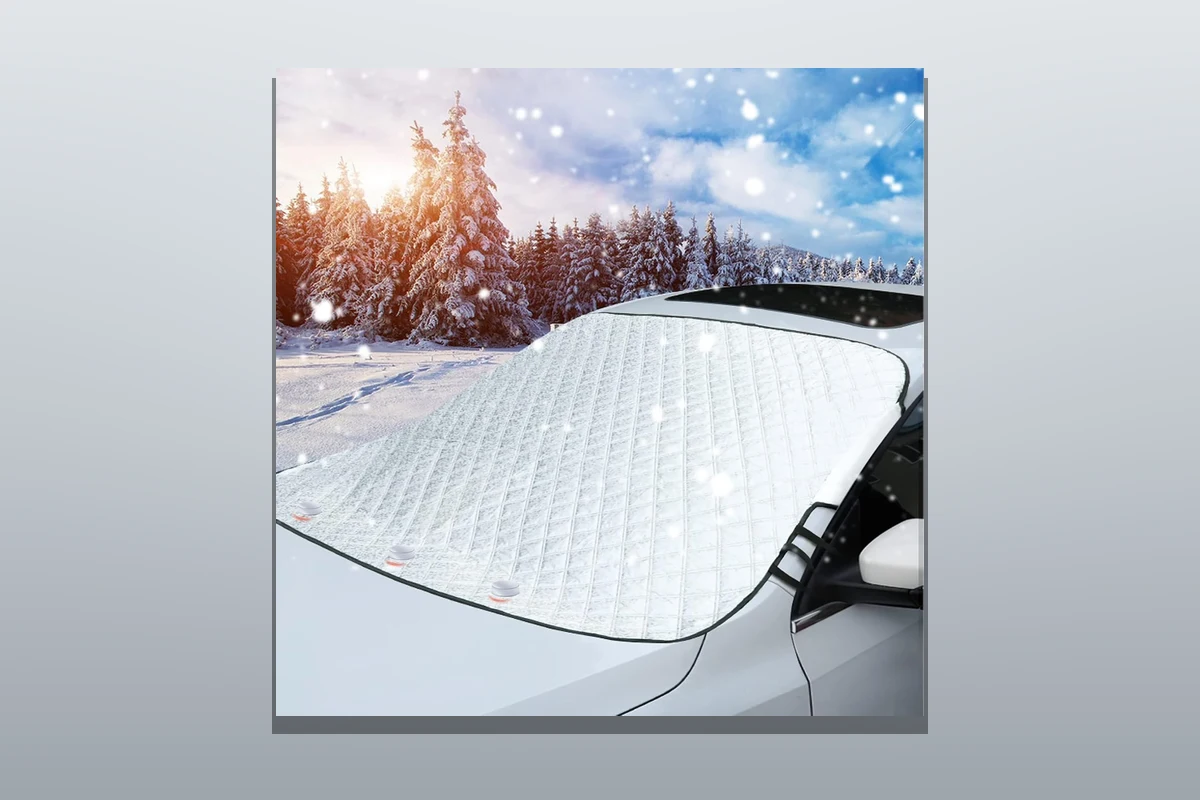
Cover on at night, pull it off and drive. The fifteen-minute morning, given back.
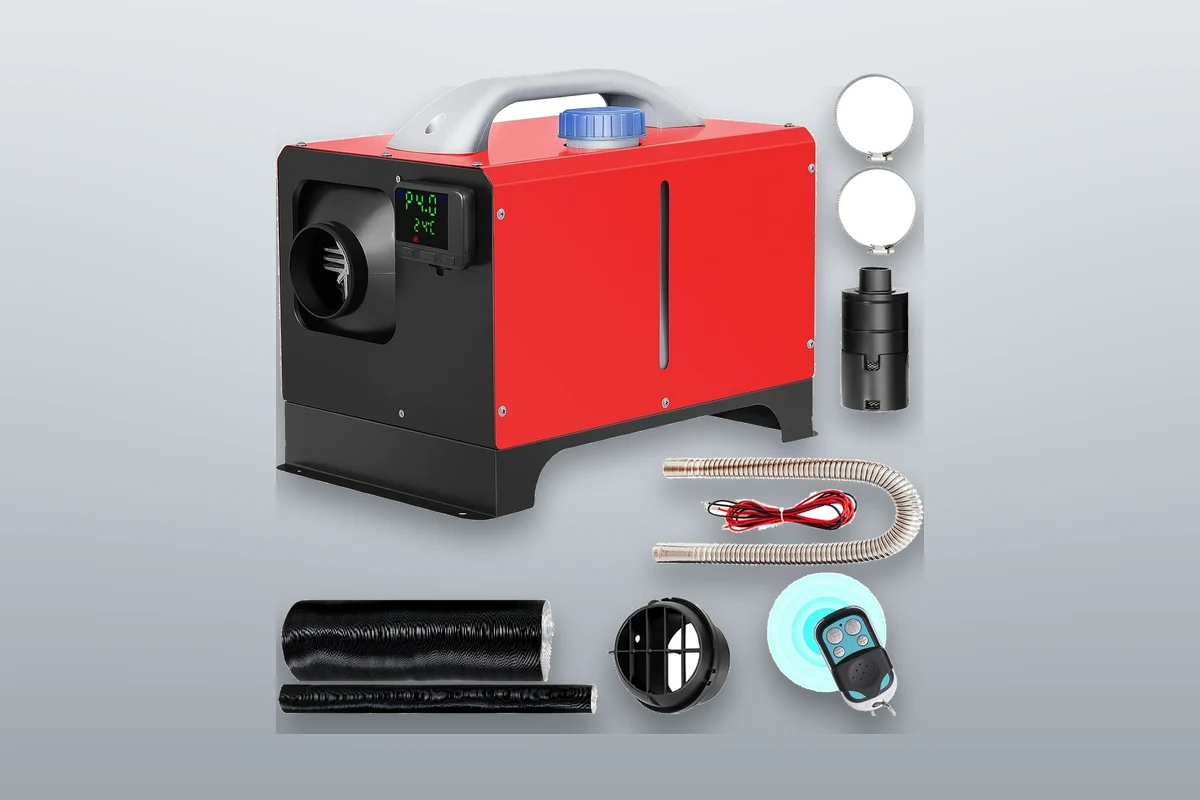
An 8kW diesel air heater in one box. Real heat off-grid — install it right or don't install it.
October. Treat fuel before the first cold snap, load-test the batteries while the weather is still mild, test the bunk heater on a cool night instead of a freezing one, and carry chains before BC's October 1 requirement bites. Every winter failure in these guides is cheaper in October than in January.
A diesel bunk heater warms the sleeper on roughly a tenth to two-tenths of a litre of fuel per hour; idling burns on the order of 3 litres an hour. The full comparison — heater, APU, blanket, layering — is in the cab heat without idling guide linked above.
Anything with water in it: drinks burst, canned food seals break, washer fluid solidifies if it is summer-rated. Then the systems — DEF slushes at −11°C and diesel wax starts plugging filters near the fuel's cloud point. The freeze guide above walks the whole list.
Get the Winter Cab Checklist and work it once in the yard: freeze patrol, cold-start sequence, layering plan. It is the distilled version of every guide on this page, on one phone-friendly page.
Disclosure: The Driver Gear is reader-supported. When you buy through links on this page, we may earn an affiliate commission at no extra cost to you. Scores reflect our editorial comparison methodology — how we test.