14/20
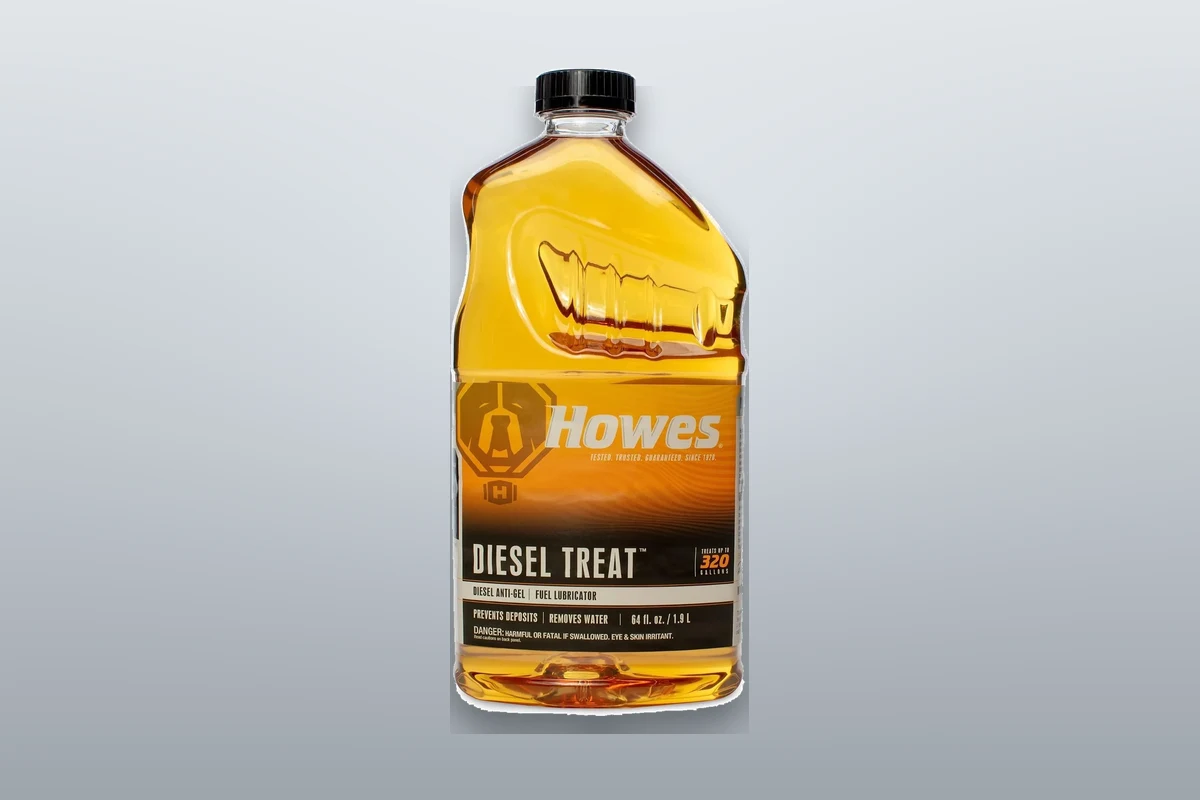
Howes diesel treat, 64 oz (14/20)
The preventative anti-gel. Dose per fill-up before the cold snap, not after.
Guide
And how to stop it — the full freeze guide: cans, batteries, medication, fuel, tires, and the five-minute patrol.
Updated October 20, 2026
A parked cab at −30°C is a freezer with a steering wheel. On the Prairies, in northern Ontario, and anywhere along the Yellowhead in January, an unheated cab reaches ambient temperature within a few hours of shutdown — everything inside cold-soaks with it. The five-minute patrol at the end of this guide prevents the sticky, expensive, and dangerous versions of that lesson.
Water expands about 9% when it freezes, and a sealed container has nowhere for that expansion to go. A case of water bottles on the passenger floor becomes a row of split plastic by morning. Carbonated drinks are worse: as the liquid freezes it squeezes the gas headspace, internal pressure spikes, and the can lets go — sometimes loudly, always stickily, usually into the seat fabric.
The fix is boring and total: no sealed drinks stay in a cold cab overnight. Bring them into the sleeper if the bunk heater is running, or into the truck stop. An unplugged cooler makes a decent insulated box for the night — it slows the freeze by hours, which on a −10°C night is often enough, and on a −35°C night at least delays the mess until morning.
A burst pop can announces itself. A frozen can of soup does not — the contents expand, the seal micro-fractures, and the can looks fine until it is opened. Food-safety guidance is clear: a can whose seal was compromised by freezing should not be trusted. If a can is swollen, leaking, or spurts when opened, throw it out.
Same rule as drinks: canned goods live in the heated sleeper or come inside. The pantry shelf in an unheated cab is not a pantry from October to April.
Lithium batteries dislike deep cold. A phone or tablet left in a −30°C cab will often shut itself off to protect the battery, and repeated deep-cold exposure causes permanent capacity loss. Screens can crack from thermal stress, and a dashcam battery swollen by freeze cycles is a risk nobody needs in February.
Bring electronics into the sleeper or a jacket pocket. If a device is ice-cold, let it warm to room temperature before charging — charging a frozen lithium battery is what actually damages it. The ELD stays mounted (it is built for this); a personal phone does not have to suffer alongside it.
This one has no visible symptom, which is what makes it dangerous. Many medications — insulin most famously — lose effectiveness when frozen, and nothing on the label warns that last night's −30°C ruined the vial. Cold can also make some liquid medications separate or crystallize.
Keep medication on your person or in the heated sleeper, never in the door pocket or an exterior side box overnight. If anything did freeze, a pharmacist is the authority on whether it is still usable — ask before relying on it.
Pressurized cans — deodorant, air dusters, spray lubricants — can crack or leak in deep cold as propellant behaviour changes and metal contracts. Keep them in the heated space. Washer fluid is the opposite problem: summer-rated fluid freezes solid in the reservoir and lines, so switch to −40°C-rated fluid before the first cold snap, not after it.
Diesel exhaust fluid freezes at −11°C, which surprises drivers the first time they see the slush. The truck's DEF tank is heated and handles it — a spare jug sitting in the cab is not heated, will freeze, and may split. Store spare DEF where it stays above freezing, or treat it as a spring purchase.
Cab contents are only half the story. Diesel fuel itself turns against an unprepared truck in deep cold. Paraffin wax in diesel starts crystallizing at the fuel's cloud point — the fuel goes hazy, then the wax plugs the filter, then the engine starves and dies, usually somewhere with no shoulder and no signal. Canadian pumps switch to seasonally adjusted winter diesel, but fuel bought south of the border or early in the season may not be blended for a Prairie cold snap — a classic January trap on the Trans-Canada.
Prevention is a habit, not a rescue:
The full product rundown, including a compact side-box option, is in the best diesel anti-gel guide.
The preventative anti-gel. Dose per fill-up before the cold snap, not after.
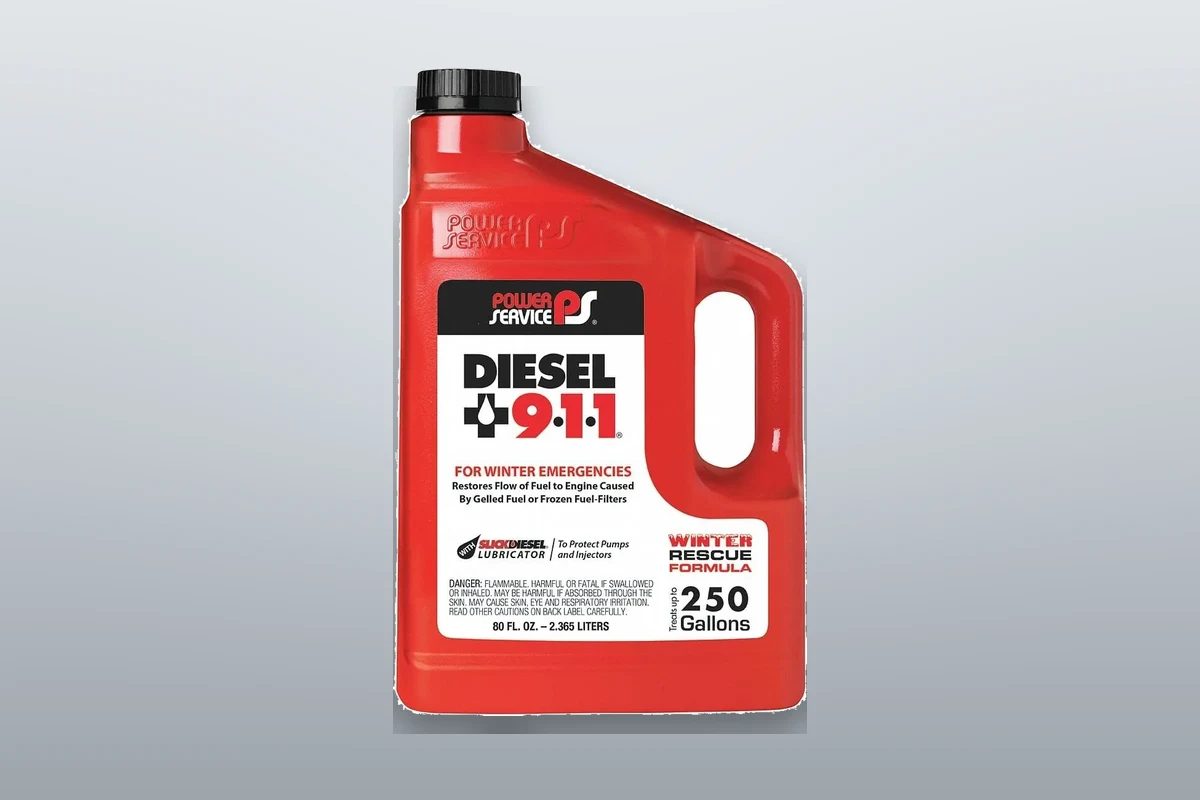
The rescue bottle for gelled fuel. When the preventative didn't happen, this is the call.
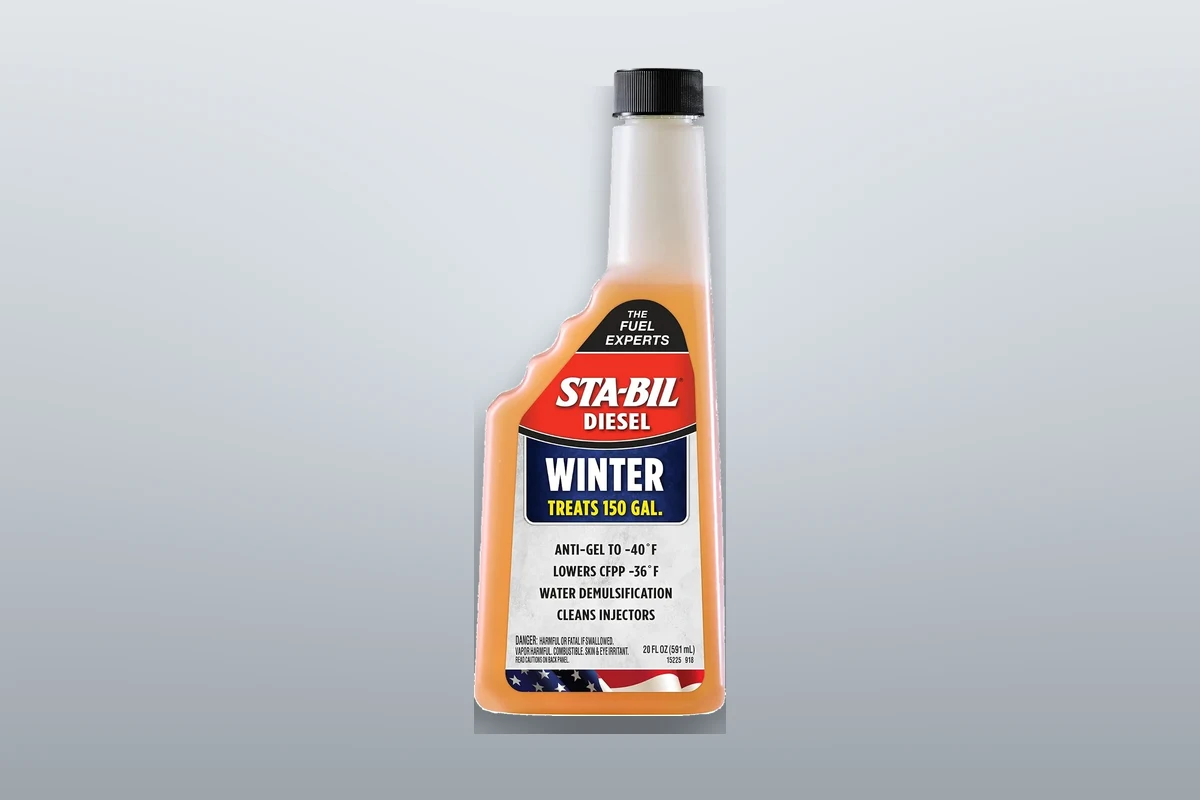
Compact anti-gel for the side box. Prevents gelling; won't rescue gelled fuel.
The kit you never use is the cheapest insurance you'll ever buy.
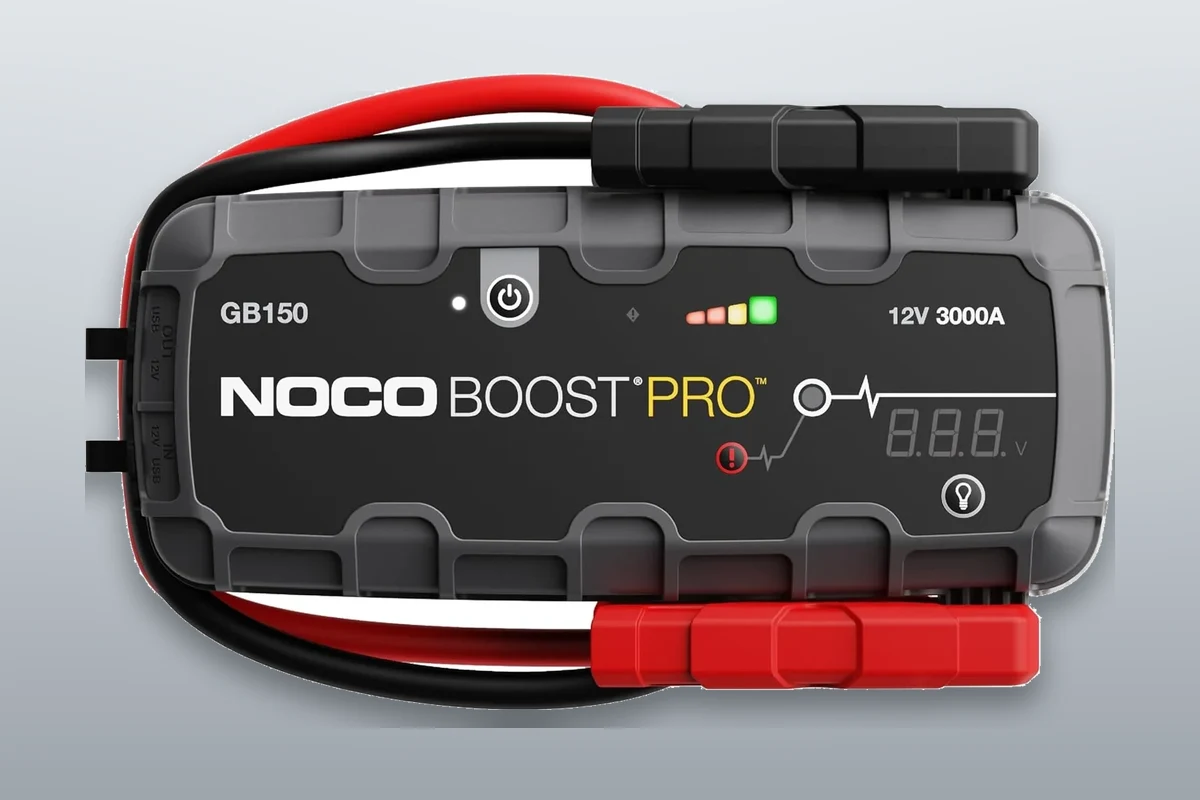
Cold attacks starting power from both sides. A lead-acid battery delivers roughly a third less cranking power at −18°C than on a mild day, and closer to half at −30°C — while the engine, full of thick cold oil, needs more cranking power than ever. That gap is the January no-start.
Air contracts as it cools, so tire pressure drops roughly 7 kPa (about 1 psi) for every 5–6°C the temperature falls. A tire set correctly on a mild October afternoon can be badly underinflated on a −30°C morning — and underinflated tires run hot, wear fast, and are a blowout risk once the highway warms them unevenly. Check pressures cold, before rolling, as part of the pre-trip. The ALL-TOP dual-cylinder 12V tire inflator moves the air volume truck tires need; rest it between tires. Check price on Amazon. A quick check with a digital gauge beats guessing from the cab: Etenwolf T300 tire gauge. The deeper walkthrough is the tire pressure guide.
Before shutdown, every night the forecast drops below freezing:
If the heat plan fails at 3 a.m., the emergency layer is the night. A sleeping bag honestly rated for deep cold is the core of it. See how winter sleeping bags compare, scored out of 20 →
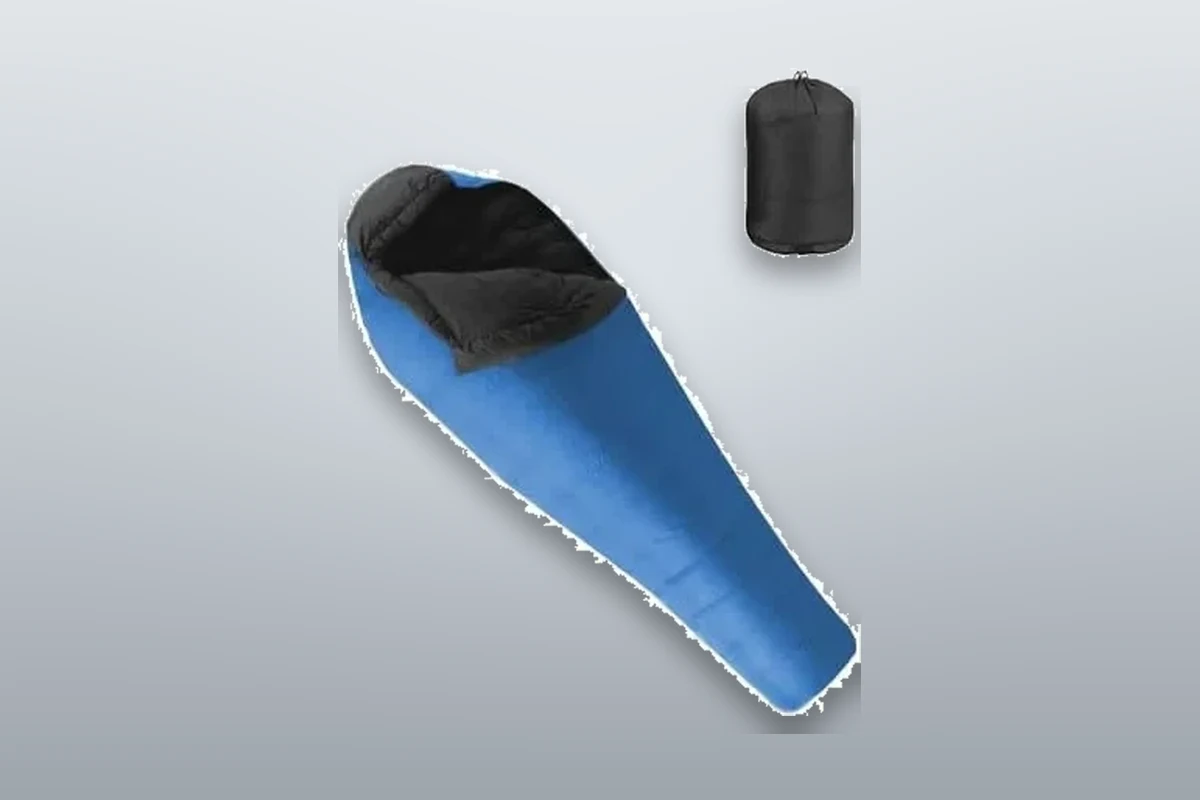
A minus-30 mummy bag for the nights the heater can't cover. Packs smaller than you'd think.
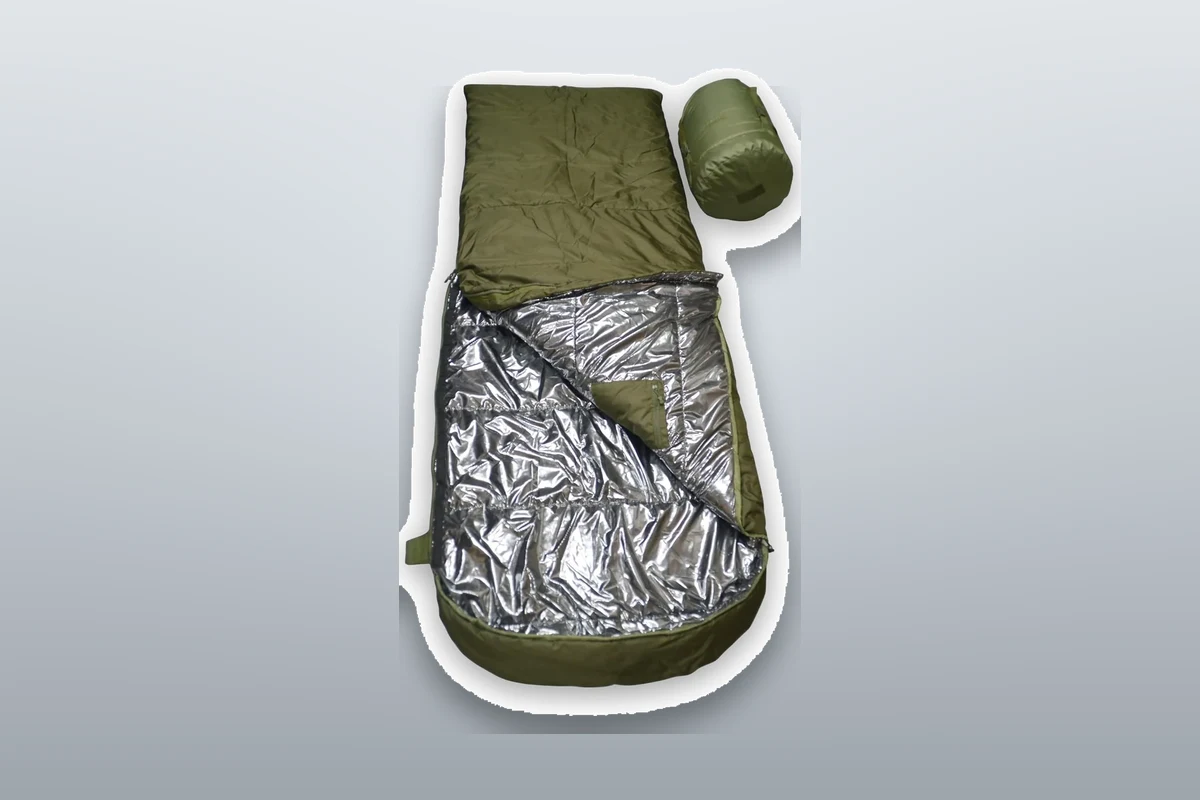
Roomy alternative. Space to turn over, which matters more than it sounds at 3 a.m.
More winter preparation lives in the winter gear hub and the winter driving guide.
The freeze patrol, the cold-start sequence, and the layering plan on one page, built for a phone screen at a fuel island: the free Winter Cab Checklist covers what to move, what to plug in, and what to check before the first −30°C night of the season. Print it, screenshot it, keep it in the visor.
The freeze patrol, the cold-start sequence, and the layering plan on one page — free by email. Print it, screenshot it, keep it in the visor.
The signup form loads here — click once and it appears.
Any sustained temperature below 0°C can do it — water expands about 9% as it freezes. Carbonated cans are at higher risk because the freezing liquid compresses the gas headspace, spiking internal pressure. A −30°C Prairie night will burst cans within hours.
Only if the seal is fully intact. Freezing can micro-fracture a seal without visible damage. If the can is swollen, leaking, or spurts on opening, throw it out.
It can. Lithium batteries shut down in deep cold to protect themselves, and repeated deep-cold exposure causes permanent capacity loss. Charging a frozen lithium battery causes real damage — always let a cold device warm up before plugging it in.
Yes, at −11°C. The truck's DEF tank is heated and designed for it, so driving is unaffected. A spare jug stored in the cab will freeze and may split — keep spare DEF somewhere it stays above freezing.
Diesel contains paraffin wax that crystallizes as the fuel cools past its cloud point; the crystals plug the fuel filter and starve the engine. Prevention is a preventative anti-gel dosed at fill-up before the cold arrives, plus a fresh fuel filter going into winter. Rescue products reliquefy gelled fuel after the fact — useful in a side box, but a poor substitute for treating early.
Below roughly −15°C to −18°C, plugging in stops being optional on most diesels: battery cranking power falls off sharply while thick oil raises the cranking load. A timer running the block heater for a few hours before departure covers nearly every Canadian winter morning.
Free checklist
The 22-point run-through that catches the heater that can't keep up and the fuel that gels at 2 AM — free by email, print it and keep it in the visor.
Disclosure: The Driver Gear is reader-supported. When you buy through links on this page, we may earn an affiliate commission at no extra cost to you. Scores reflect our editorial comparison methodology — how we test.