13/20
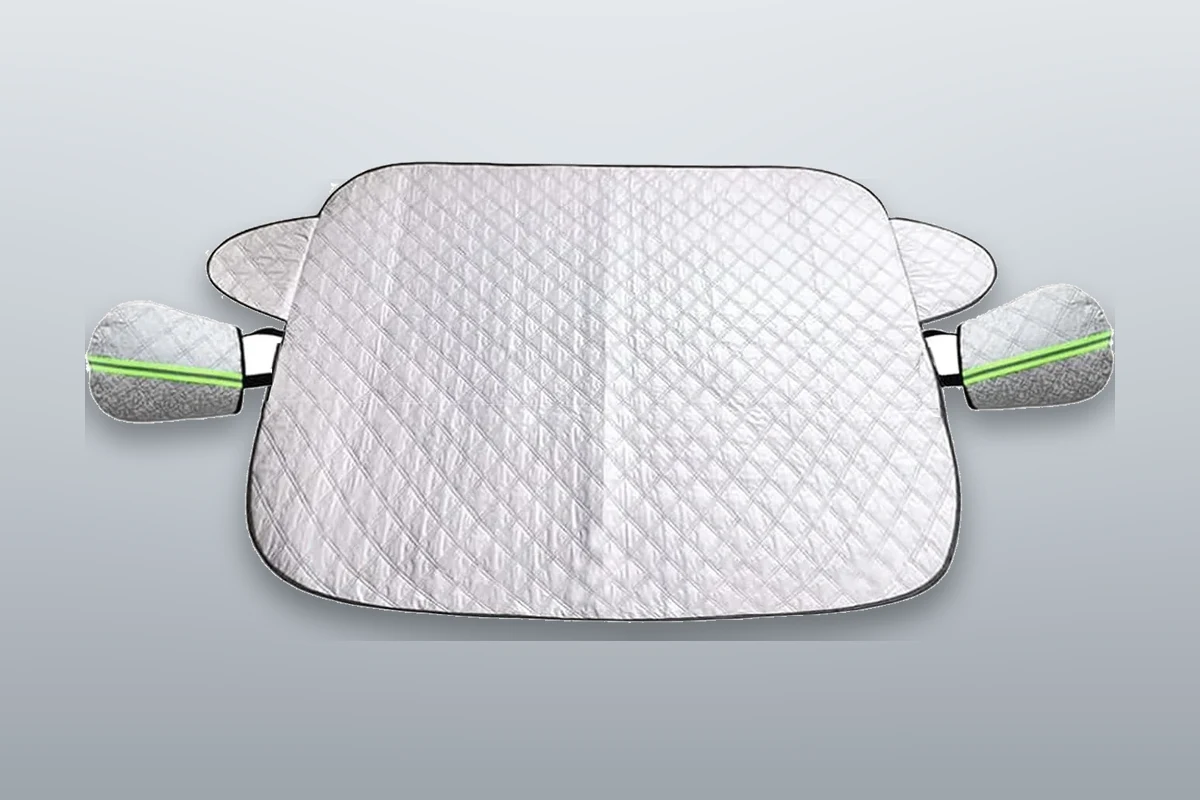
CGLEAM 4-Layer Windshield Snow Cover (13/20)
Four layers between the glass and the storm. Heavier cover, better hold in wind.
Guide
Winter doesn't care about your schedule. Technique first, gear second, ego never.
Updated October 20, 2026
The first snow of the season collects trucks the way a magnet collects filings. Most of them were driven by people who knew better and hurried anyway. Winter driving is a discipline, not a talent.
The free Winter Cab Survival Checklist — 22 things to check before the first freeze: tires, fuel, heat, bedding, emergency kit. One email with the PDF, then one a week. No spam.
The signup form loads here — click once and it appears.
Increase following distance dramatically — 8+ seconds on snow and ice. Brake before curves, never in them. If the trailer starts to swing, ease off everything and steer gently; fighting it makes it worse. Bridge decks freeze first. And the most important technique: park it. No load is worth a ditch.
Four layers between the glass and the storm. Heavier cover, better hold in wind.
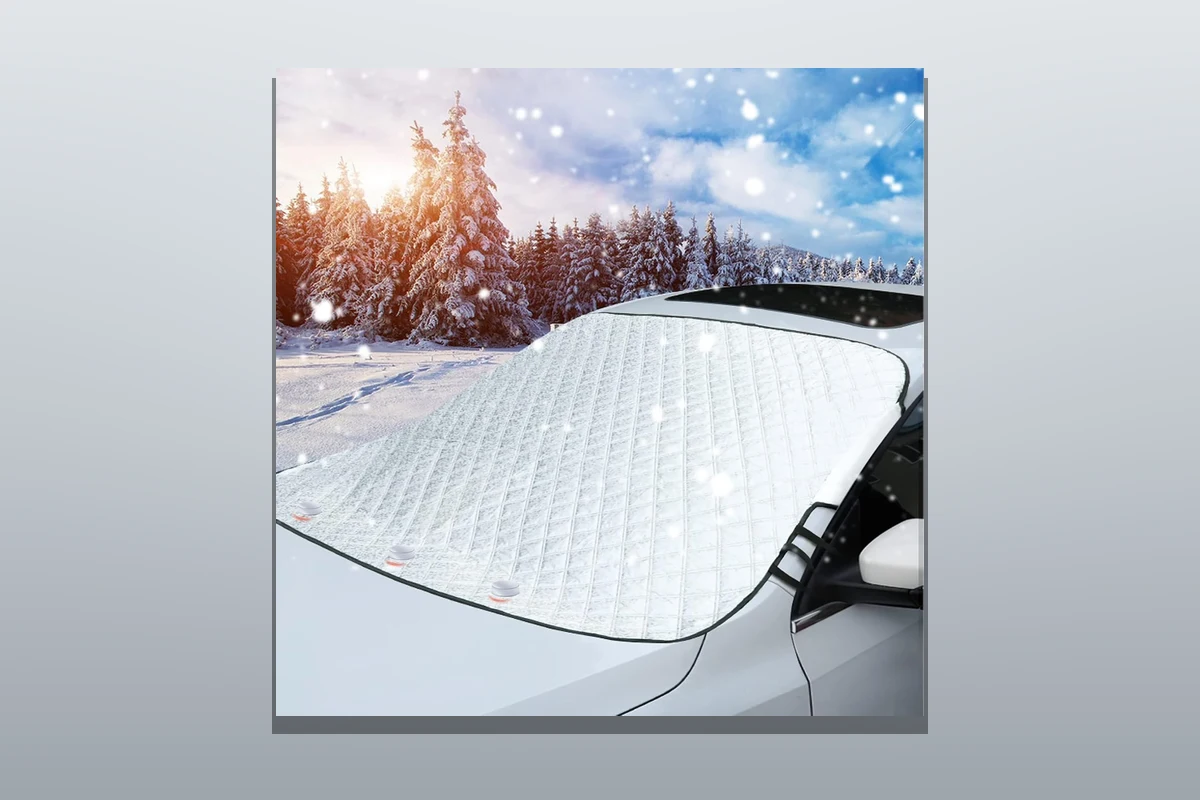
Cover on at night, pull it off and drive. The fifteen-minute morning, given back.
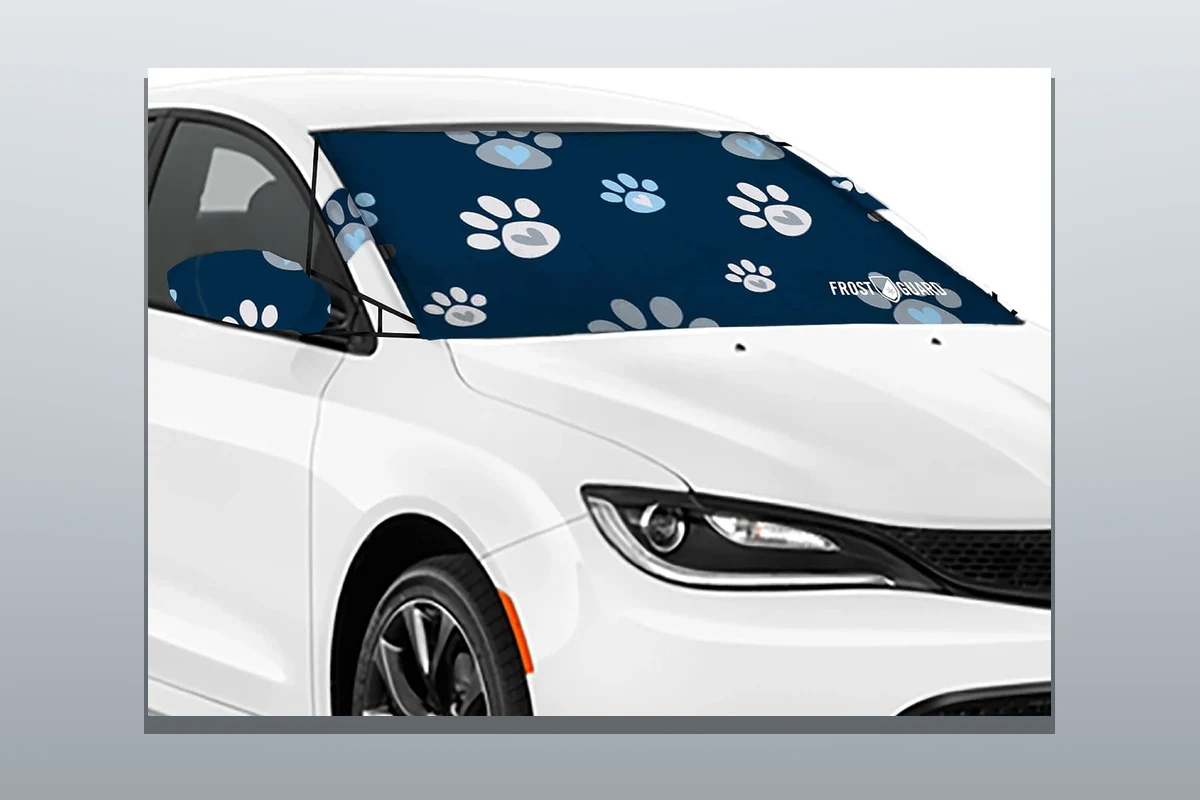
A windshield cover that actually stays put. Pull it off in the morning, drive.
A windshield cover means no scraping at 5am in -25°C. Overnight condensation freezes on the inside — crack a vent or run the defroster before you need to see. Winter wiper blades and full washer fluid (winter-rated) are non-negotiable. Three windshield snow covers, ranked and scored for truck drivers →
The ditch doesn't care that you were almost there.
Many jurisdictions restrict idling — times, places, temperatures. Know the rules where you run; fines are real. More importantly, know your alternatives: a diesel bunk heater keeps you warm and legal where idling isn't.
Canadian winter driving is a handful of corridors, each with its own way of closing. The Coquihalla stacks chain requirements and full closures into the same storm; Rogers Pass on the Trans-Canada adds avalanche control, which stops traffic on a schedule nobody negotiates with. The Yellowhead trades elevation for exposure — wind and ground blizzards that erase the road in open daylight. Northern Ontario's Highways 11 and 17 run long, dark, and thin on services, where a closure is measured in hundreds of kilometres, and the Prairies specialize in the whiteout that arrives without a single hill to blame.
The working habits are the same on all of them. Check DriveBC, 511 Alberta, or Ontario 511 before departure — and again at the last fuel stop before the pass, because conditions move faster than the truck does. Chain up at the bottom, in the chain-up area, not halfway up the grade when the drives start spinning. And treat the closure sign as information, not insult: the drivers who park early, at a stop with heat and food, are the ones telling the story afterward. A truck that will not start in the morning cold is its own problem — the cold-start field guide covers that one — and air that will not build after a cold soak is the frozen air lines guide.
Full winter kit: winter emergency gear, idling alternatives, tire chains where required (see best tire chains), the heated blanket setup for the bunk, and diesel anti-gel dosed before the cold — gelled fuel strands trucks every first cold snap.
The whole system — heat, freeze, traction, sleep — is mapped on the winter gear hub.
Before you need to. If chain laws are posted, comply. If you're wondering whether it's bad enough — it is.
Ventilate slightly overnight or run the defroster before driving. A dry cab freezes less.
Check local anti-idling laws — many places restrict it. A bunk heater is cheaper anyway.
DriveBC for British Columbia, 511 Alberta, and Ontario 511 for the northern corridors — checked before departure, not at the bottom of the pass. Conditions on the Coquihalla or through Rogers Pass can go from wet to closed inside an hour; the check takes two minutes and decides the route while there is still a route to choose.
Park early, somewhere with services, before the closure — not on the shoulder inside it. A parked truck with fuel, heat, and food is an inconvenience; a truck stopped in a whiteout on the Coq is a hazard. The load's appointment survives a late arrival better than it survives a recovery.
Get the Winter Cab Survival Checklist free — the 22-point run-through for the cab, delivered by email. One a week after that. Unsubscribe anytime.
The signup form loads here — click once and it appears.
Free checklist
The 22-point run-through that catches the heater that can't keep up and the fuel that gels at 2 AM — free by email, print it and keep it in the visor.
Disclosure: The Driver Gear is reader-supported. When you buy through links on this page, we may earn an affiliate commission at no extra cost to you. Scores reflect our editorial comparison methodology — how we test.