15/20
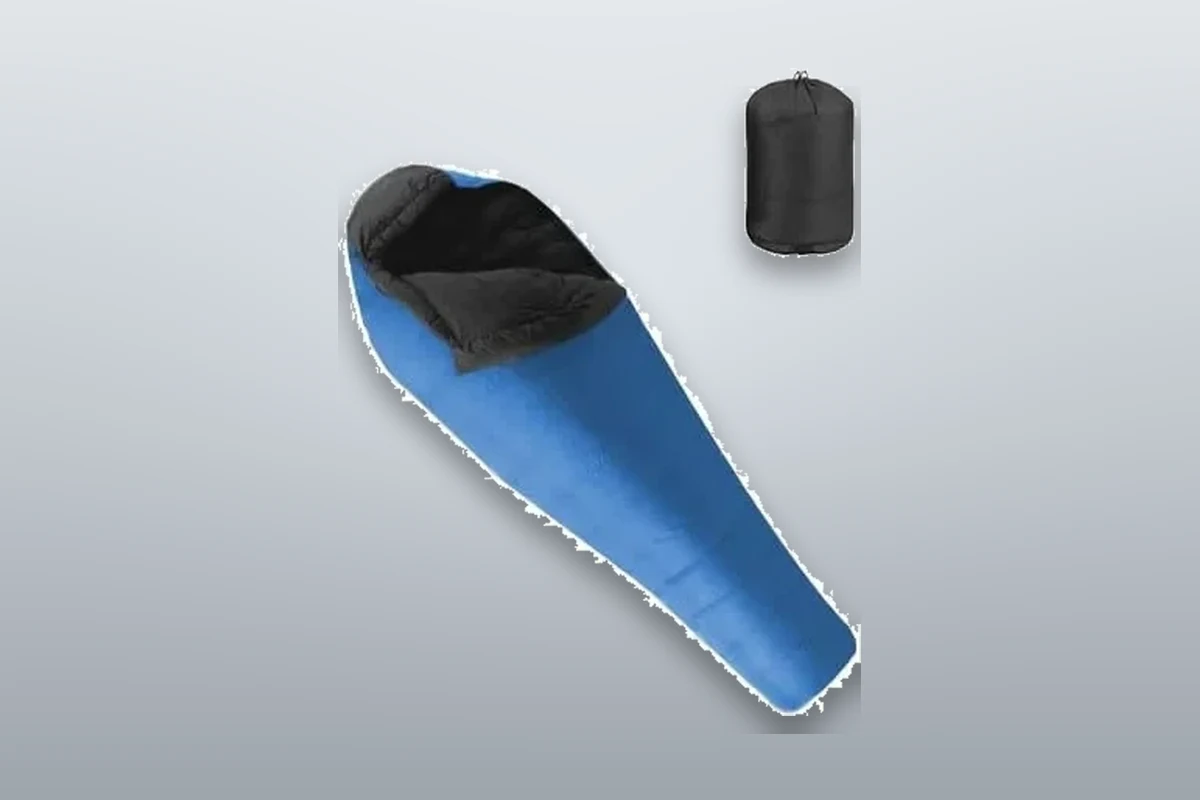
#1 — Yanes yukon −30°C (-22 °F) winter mummy sleeping bag
A minus-30 mummy bag for the nights the heater can't cover. Packs smaller than you'd think.
Buying guide
Three winter bags ranked and scored. The rating on the tag is a survival number, not a comfort number.
Updated October 20, 2026
Here is the working rule for this guide: a bag's headline temperature rating is closer to a survival number than a comfort number. Buy 10–15 degrees colder than the coldest night you expect, and in a wind-sheltered cab, pick synthetic fill over down — because your breath condenses on cold cab walls all night, and damp down stops insulating.
Research-based. We did not test these hands-on. Scores come from published specs and verified buyer reviews, weighted toward honest temperature ratings, draft protection, and hoods that actually close. Prices are approximate, in CAD, and change often — check the live listing before you buy.
A minus-30 mummy bag for the nights the heater can't cover. Packs smaller than you'd think.
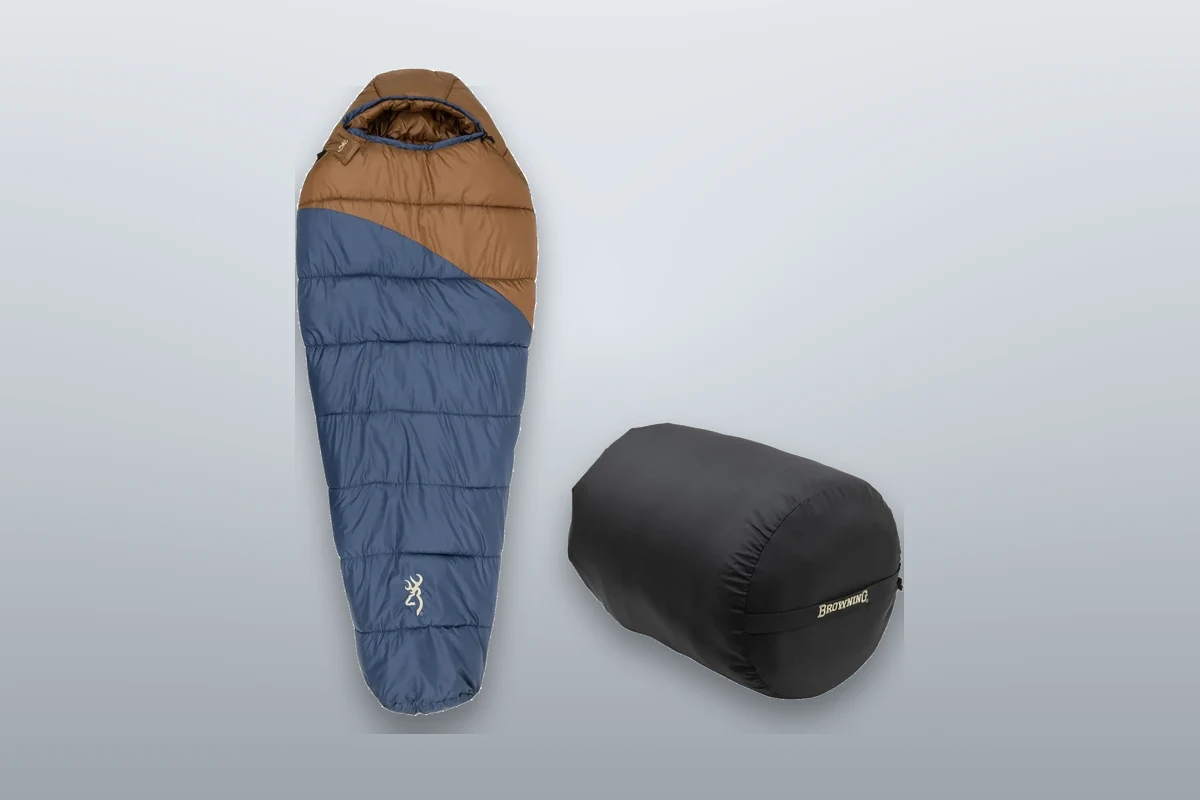
A 20-degree bag for three-season bunk duty. Not the deep-winter answer.
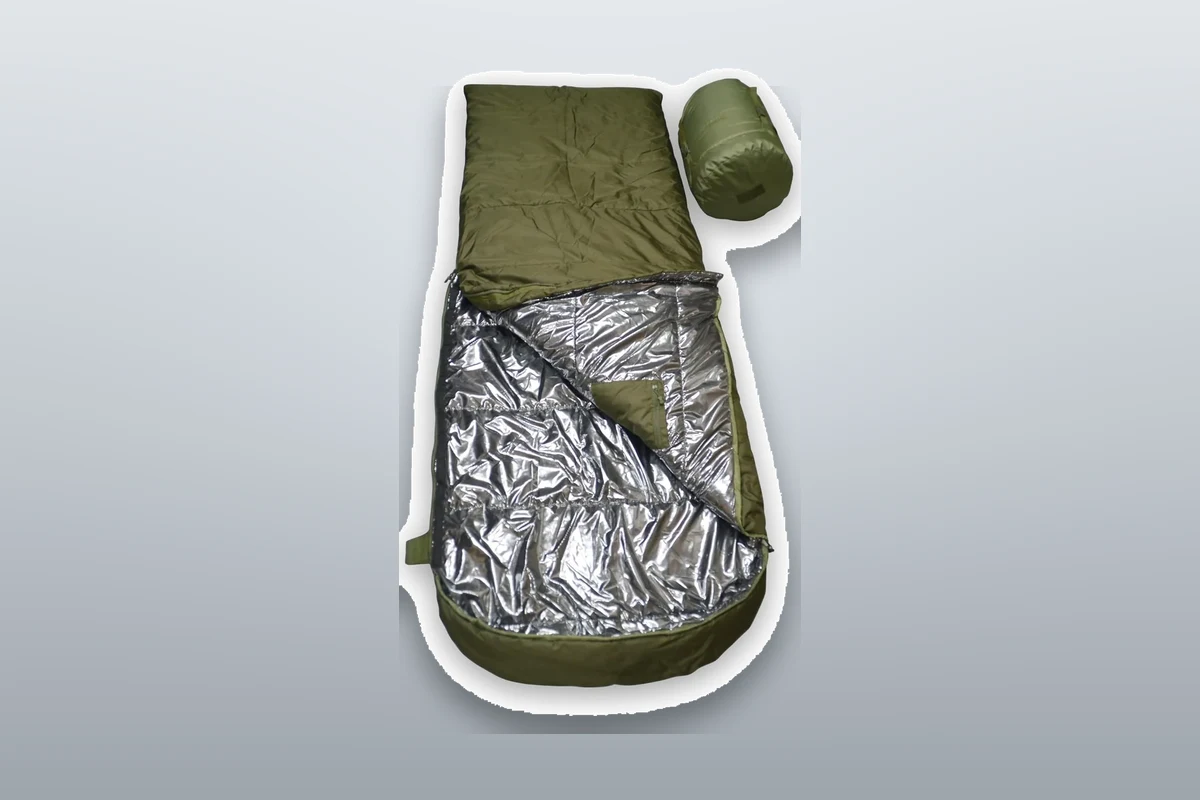
Roomy alternative. Space to turn over, which matters more than it sounds at 3 a.m.
A bag's headline temperature rating is closer to a survival number than a comfort number — so buy 10–15 degrees colder than the coldest night you expect.
Sleeping bag ratings follow the EN/ISO 23537 standard, which publishes two numbers that matter: the comfort rating (the temperature where a cold sleeper stays comfortable) and the limit rating (the lowest temperature where a warm sleeper survives, not sleeps well). Marketing leads with the limit rating because the number looks better. When a bag says −20°C, read it as "comfortable around −10°C for most people." None of the three listings below names the EN/ISO standard — their ratings are the manufacturers' own numbers, so read them conservatively.
The good news for drivers: those ratings assume a tent, on the ground, in wind. A sleeper cab is a hard-walled shelter — no wind, no ground conduction, and usually a few degrees of residual engine heat. Your bag's rating stretches further in a cab than in the backcountry. And the veteran play is layering: a winter bag plus a 12V heated blanket inside covers the nights the rating doesn't — see the four blankets ranked in our best 12V heated blankets guide.
| Product | Score | Rating | Shape |
|---|---|---|---|
| Yanes Yukon | 15/20 | −30°C (−22°F) | Mummy |
| Browning Discover | 13/20 | −20°F (≈ −29°C) | Mummy |
| Derby XXL | 12/20 | −30°C (−22°F) | Rectangular |
Buy the Yanes Yukon −30°C — the only pick combining a true −30°C rating, synthetic fill, real cold-weather reviews. Step up to the Browning if you want draft-collar details and trust the brand name. Take the Derby only if you need XXL room and accept the thin evidence. The Yanes listing contradicts itself on weight (7.3 lbs in the bullets vs 1 kg in the spec table — neither independently verifiable), and one reviewer was cold at −10°C and questioned the rating — an honest split in a small review set. That's why it's a 15, not an 18.
The rating math above assumes the heater works. Plan for the night it does not. An unheated sleeper cold-soaks to ambient within a few hours of shutdown — at a Prairie or Yellowhead stop in January, ambient means −35°C to −40°C, with northern Ontario close behind. That is the night the bag stops being bedding and becomes the survival layer: heater quit, fuel gelled, or a no-start morning that begins in a cold cab (the cold-start field guide is the other half of that morning). The freeze inventory in what freezes in a parked cab overnight puts the bag in its proper place — the emergency layer, within reach of the bunk, every night of the season.
The working system on ordinary nights is layered: the bunk heater carries the air temperature, the bag carries the driver, and a 12V blanket inside the bag covers the gap when either one underperforms. Buy the bag for the worst night, layer it for the rest — that is the whole Canadian sleep strategy, and the rest of the winter system is mapped on the winter gear hub.
Research-based scoring: we did not test these hands-on. Every winter sleeping bag goes through the same 20-point rubric — published temperature ratings, draft protection and hood design, and synthetic insulation that keeps working damp, weighted above marketing claims. Read the full methodology →
The sleep layer is one line of the free Winter Cab Checklist — the freeze patrol, the cold-start sequence, and the layering plan on one phone-friendly page.
The freeze patrol, the cold-start sequence, and the layering plan on one page — free by email. Print it, screenshot it, keep it in the visor.
The signup form loads here — click once and it appears.
A bag rated to −30°C (limit) at minimum — and remember the comfort rating sits 10–15 degrees warmer, so expect to layer below about −20°C. In a wind-sheltered cab the rating stretches further than in a tent, and a heated blanket inside the bag covers the coldest nights.
Synthetic, for most drivers. Breath condenses on cold cab walls and windows every winter night, and damp down loses its insulation. Synthetic keeps working wet, dries faster, and costs less — the practical choice for a bag that lives in the truck.
Blankets work until about −10°C, then drafts defeat them — every gap is a cold leak. A mummy bag seals around you. The veteran combo is a winter bag plus a blanket or two on top for the coldest nights, not blankets alone.
Uncompressed. Long-term compression crushes the loft that traps heat — that is what the big storage sack (not the stuff sack) is for. Stuff it tight for the road, then let it loft fully at home.
Yes — bunks are wider than most backpacking pads, so any of these bags fits with room to spare. The constraint is usually the driver, not the bunk: if you are tall or broad, check the bag's length and shoulder girth before buying.
Free checklist
The 22-point run-through that catches the heater that can't keep up and the fuel that gels at 2 AM — free by email, print it and keep it in the visor.
Disclosure: The Driver Gear is reader-supported. When you buy through links on this page, we may earn an affiliate commission at no extra cost to you. Scores reflect our editorial comparison methodology — how we test.