17/20
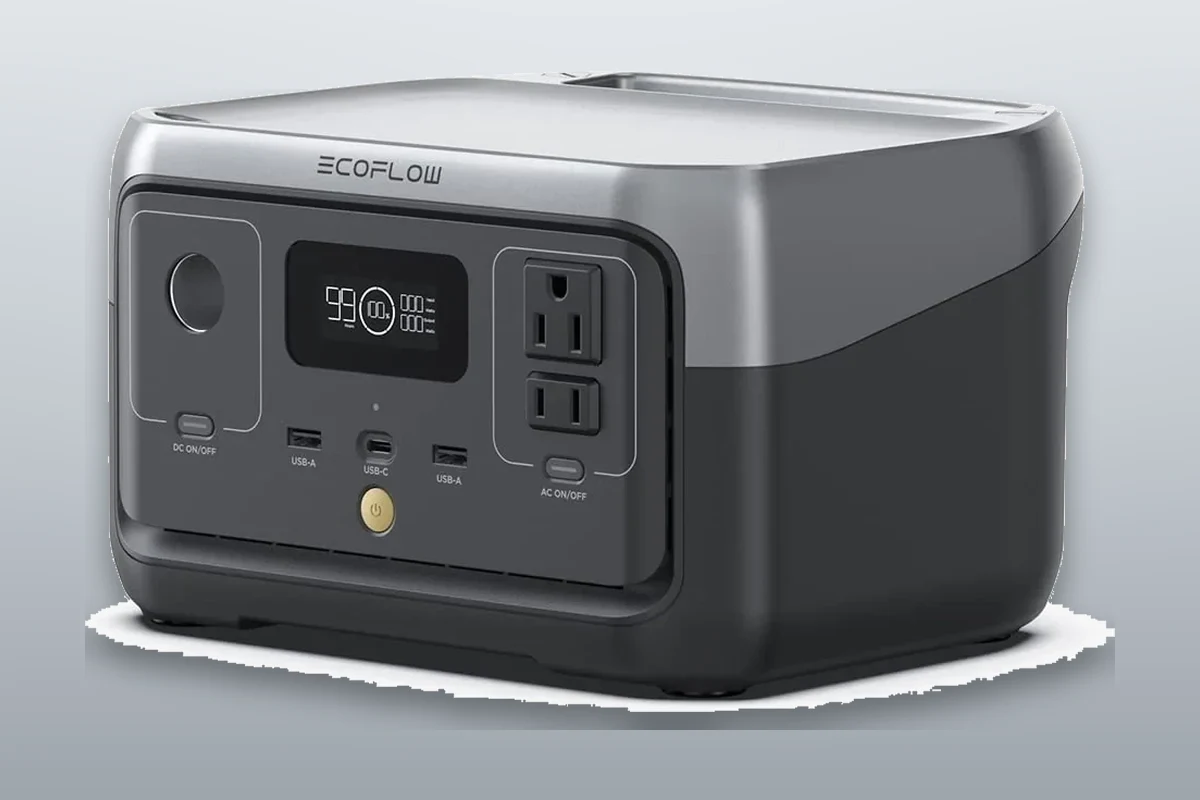
#1 — EcoFlow River 2
The power station to trust the fridge to overnight. Charges in about an hour, carries like a toolbox.
Buying guide
Three power stations ranked and scored — and what each one actually carries through a Canadian winter night.
Updated October 20, 2026
A power station is a battery with ambition. It runs a laptop, charges tools, and powers a 12V cooler overnight — all without touching the truck's batteries or burning a drop of diesel. In summer that is convenience. In a Canadian winter it is strategy: every amp-hour the hotel load spends from a power station is an amp-hour the starting batteries keep for the coldest crank of the year.
A parked truck in January is an energy problem wearing a cab. The bunk wants warmth, the cooler wants power, the phone and tablet and headset all want charging — and the starting batteries, already delivering a fraction of their mild-weather cranking power at −30°C, are the worst possible source for any of it. Every winter no-start story has the same middle chapter: something ran off the truck batteries overnight, and the morning found the account empty.
The two traditional answers both have costs. Idling burns roughly 3 litres of diesel an hour to make electricity and heat the slow way, and wears the engine doing it. A power station splits the difference: charge it while driving, spend it while parked, and the truck's batteries wake up with one job — starting. Paired with a diesel bunk heater for heat, a station covers the rest of the overnight loads without the engine turning over. The full heat comparison is in cab heat without idling; this guide covers the electrical half of that system.
The 12V heated blanket is the winter load that matters most, and the friendliest: roughly 50 watts, about 4 amps, warming the driver rather than the whole cab. On a station in the 768Wh class, that is a full rest break of warmth with room left over — the single best winter use of portable power in the truck. The blankets themselves are compared in the best 12V heated blankets guide.
The 12V cooler cycles its compressor on and off, so its overnight draw is far gentler than its label suggests — any station in this guide runs one through the night alongside device charging. Devices — phone, tablet, headset, ELD accessories, a CPAP for the drivers who run one — are rounding errors individually and add up to a real load collectively; the station absorbs them without bookkeeping. Light is the load nobody plans for and everybody needs at 3 a.m. in a rest area: a small lamp off the station beats the dome light off the starting batteries, every time.
What a station will not do is make heat from a heating element for long. A plug-in space heater empties a portable battery in short order and is the wrong tool besides — cab heat is the bunk heater's profession, covered in the heat guide linked above. Knowing where the station's job ends is what makes it reliable inside its limits.
The best power station is the one that's charged when you need it.
The power station to trust the fridge to overnight. Charges in about an hour, carries like a toolbox.
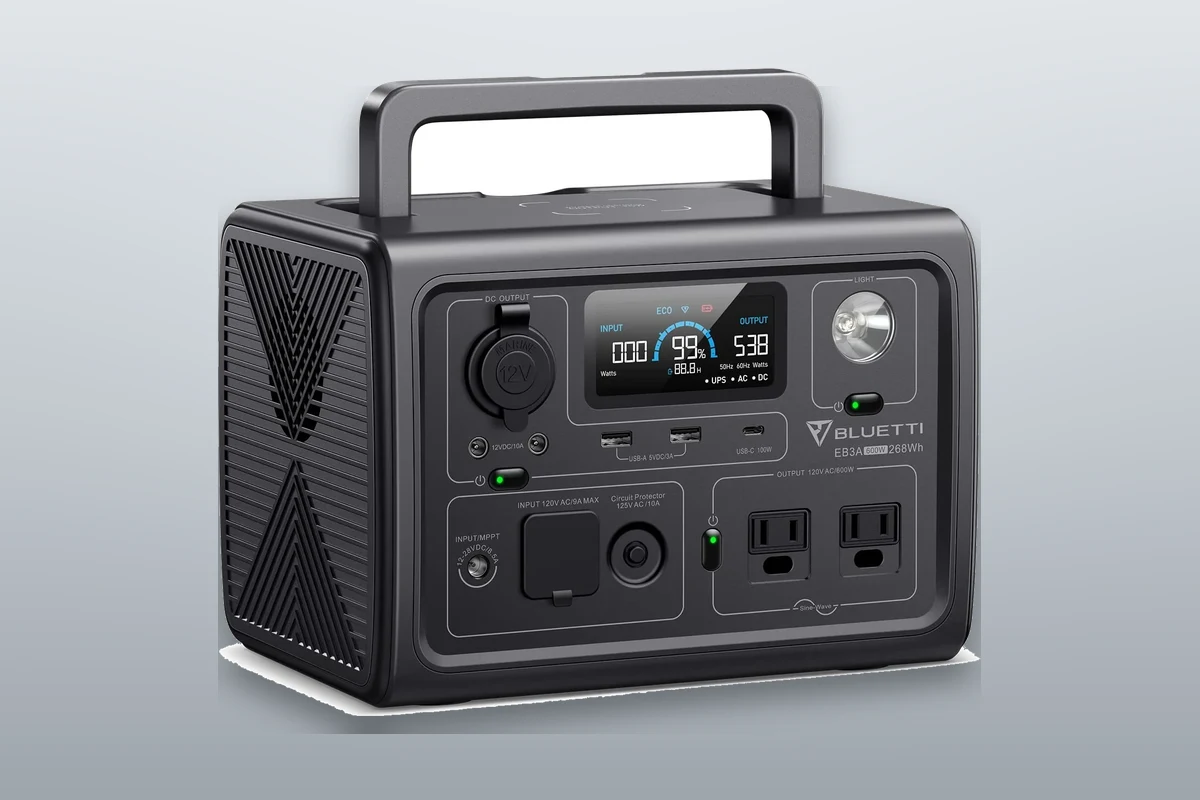
More capacity than the River 2 for longer off-grid stretches. Heavier for it.
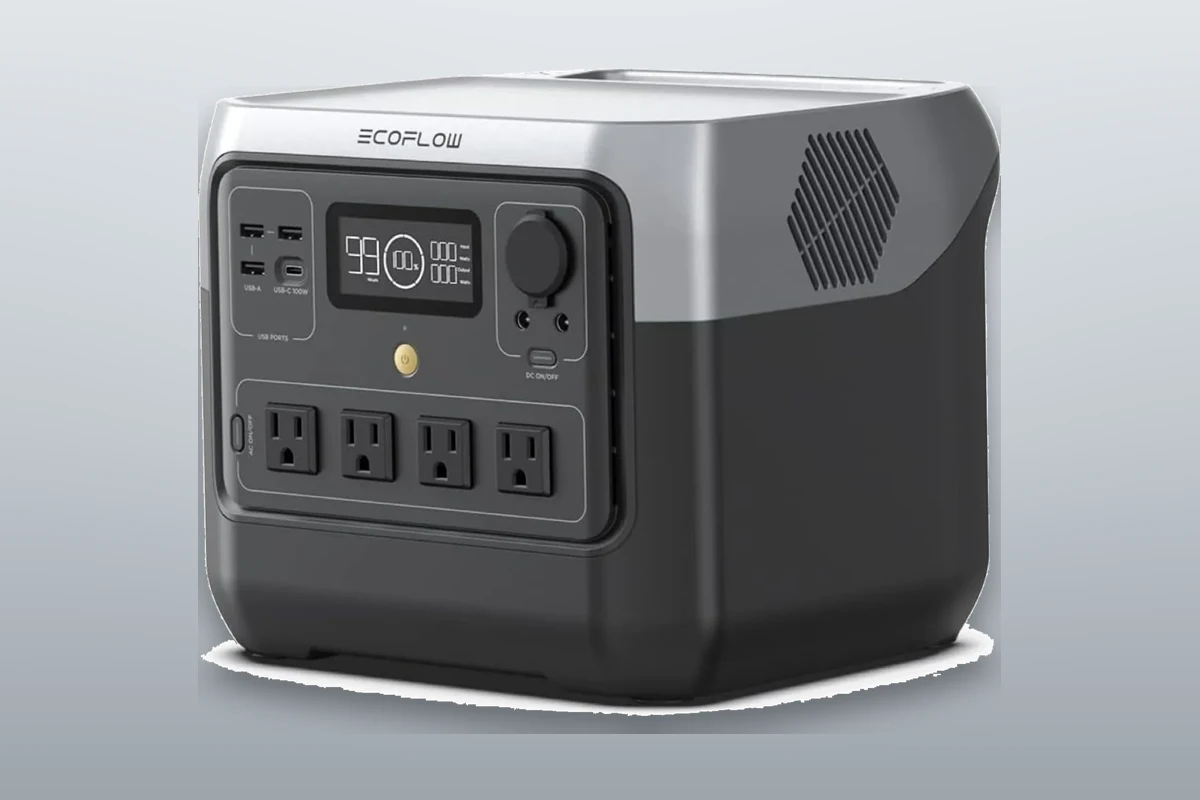
The bigger River for drivers who need the extra headroom. Same fast charging, more weight.
EcoFlow River 2 (17/20) is the everyday pick and the top score in this guide. Its party trick is charge speed — it refills fast enough that a driving shift reliably resets it — which suits the driver whose pattern is drive, park, sleep, repeat. For cooler-plus-devices duty it is all the station most cabs need. Check price on Amazon.
BLUETTI EB3A (16/20) brings more capacity than the River 2 and more outlets to spread loads across, at the cost of extra weight, exactly as its catalogue blurb admits. It fits the driver who runs more gear at once — cooler, laptop, devices — and wants headroom instead of arithmetic at midnight. Check price on Amazon.
EcoFlow RIVER 2 Pro, 768Wh (15/20) is the winter-duty pick: the biggest reservoir of the three, sized for the blanket-through-the-night pattern with devices on top, and the natural partner to a bunk heater in a full no-idle setup. Same fast-charging family behaviour as the smaller River, more weight to carry for it. Check price on Amazon.
| Product | Score |
|---|---|
| EcoFlow River 2 | 17/20 |
| BLUETTI EB3A portable power station | 16/20 |
| EcoFlow RIVER 2 Pro (768Wh) | 15/20 |
The station obeys the same physics as everything else in what freezes in a parked cab overnight. Lithium batteries deliver less of their rated capacity in deep cold, and charging a lithium pack below freezing damages it — stations protect themselves by slowing or refusing a charge until the pack warms. Three habits keep a station honest through winter:
Solar is the third charging path for parked days: the FlexSolar 100W portable solar panel feeds these stations through their DC input when the truck sits in daylight. Winter sun is weak and the days are short — treat solar as a top-up, not the plan.
Both live in the winter kit and neither replaces the other. The station is the reservoir — hours of modest draw. The jump starter is the sprinter: a brief, enormous burst to crank an engine whose batteries lost the night. The NOCO Boost Pro GB150 is the catalogue's diesel-class boost pack; keep it in the warm sleeper too, because a frozen lithium pack of any kind starts the morning diminished. The comparison and the rest of the cold-start picture are in the jump starters guide.
Research-based. We did not test these hands-on. Scores come from published specs and driver reviews. Every power station goes through the same 20-point rubric — capacity, build quality, features, and value. Read the full methodology →
The station is one layer of the winter system — heat, fuel, batteries, and the emergency layer are the others. The free Winter Cab Checklist puts the whole shutdown and start-up sequence on one phone-friendly page, including where the station sleeps and when it charges.
The freeze patrol, the cold-start sequence, and the layering plan on one page — free by email. Print it, screenshot it, keep it in the visor.
The signup form loads here — click once and it appears.
Yes — that is one of the best winter jobs for a mid-size station. A 12V blanket draws roughly 50 watts, so a station in the 768Wh class carries it through a full rest break with capacity to spare, and the starting batteries never enter the equation. Run the blanket on its timer or thermostat setting so it cycles instead of drawing flat-out.
No — and that distinction keeps drivers safe. A power station cannot run a real cab heater for long; resistive heat drains any portable battery fast. Heat comes from a diesel bunk heater or an APU. The station's winter job is everything else: the blanket, the cooler, devices, and lights, so the heater and the starting batteries each do their one job well.
Charge it warm. Lithium batteries should not be charged below freezing — most stations protect themselves by refusing a charge when the pack is too cold. Keep the station in the heated sleeper, let it warm up after a cold soak, and charge while driving, when the cab is warm and the alternator is doing the work anyway.
A cooler cycles its compressor rather than drawing steadily, so overnight consumption is modest — the smaller stations in this guide handle a cooler plus phone and laptop charging without drama. Size up when the blanket joins the load, or when two nights between charges is the pattern rather than the exception.
Yes — every pick here charges from a 12V outlet while the truck rolls, typically refilling across a driving shift, and the fast-charge models in this guide refill far quicker on a wall outlet at home or the terminal. Charging on the road is what makes the station a system instead of an emergency gadget.
Different tools. A power station is a deep reservoir for running loads over hours; a jump starter is a sprinter built to deliver a huge burst for a few seconds. A station will not crank a cold diesel, and a jump pack will not run a cooler overnight. Winter kits carry both, for different mornings.
Free checklist
The 22-point run-through that catches the heater that can't keep up and the fuel that gels at 2 AM — free by email, print it and keep it in the visor.
Disclosure: The Driver Gear is reader-supported. When you buy through links on this page, we may earn an affiliate commission at no extra cost to you. Scores reflect our editorial comparison methodology — how we test.